More About This Card
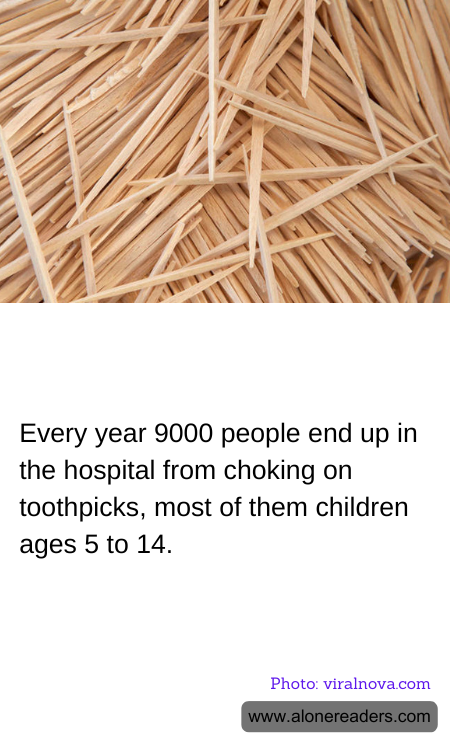
Every year, an alarming number of people, notably children between the ages of 5 and 14, end up in emergency rooms due to incidents involving toothpicks. Statistics indicate that around 9,000 such cases occur annually, underscoring not only the prevalence of this issue but also the potential dangers of seemingly harmless household items. Toothpicks generally go unnoticed when considering home safety; however, their small size and sharp ends can pose significant risks, particularly to young children who may not use them properly.
Choking on toothpicks can happen when they are used improperly during eating or if a child is playing with them. The aspiration of a toothpick into the respiratory tract can cause severe discomfort, gagging, choking, and potentially life-threatening injuries, including punctures in the digestive or respiratory tract. Such injuries might require surgeries and can lead to infections or other complications. The fact that toothpicks can easily be left within reach of children or accidentally included in food serves as a reminder of the importance of vigilance and preventative measures around small household items.
To mitigate these risks, there are a number of precautionary measures that parents and guardians can take. First and foremost, keeping toothpicks out of reach of children and educating them about the dangers can significantly reduce the risk of accidental swallowing or misuse. Additionally, supervising young children while they eat and ensuring that toothpicks are not used unnecessarily or as toys can help prevent accidents. Alternatives such as using sandwich flags in place of toothpicks in food items during gatherings or opting for reusable skewers that are less sharp and more visible can also be safer options when children are present.
This widespread yet under-recognized hazard calls for increased awareness and precautionary measures from both parents and public health organizations. Effective communication about the potential dangers of everyday items like toothpicks, along with practical tips for prevention, could play a crucial role in reducing the number of hospital visits and fostering safer environments for children.