More About This Card
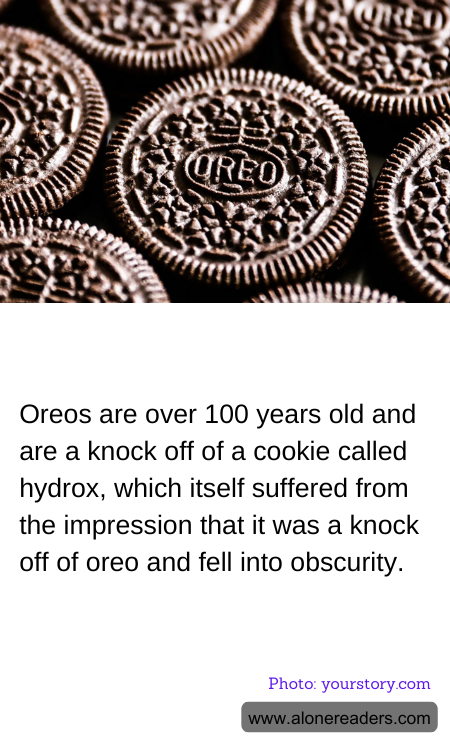
Oreos, one of the world’s most recognizable and beloved cookies, boast a storied history that dates back more than a century. Developed and produced by Nabisco in 1912, Oreos quickly captured the hearts and taste buds of cookie lovers everywhere. However, despite its longstanding prominence and popularity, the origin of Oreos involves a twist that is lesser-known: it was actually inspired by an earlier cookie named Hydrox, introduced by Sunshine Biscuits in 1908.
Hydrox cookies, which featured a similar design to Oreos—a cream filling sandwiched between two chocolate cookies—initially enjoyed success and were considered a staple in American households. Nonetheless, with the advent and aggressive marketing of Oreos, public perception began to shift. Misconceptions arose wherein many assumed Hydrox was the imitator, rather than the original. This was partly due to the name "Hydrox," which some consumers associated more with a cleaning product or a scientific term rather than a delicious treat. This branding challenge was further exacerbated as Oreo’s marketing push painted it as the premier sandwich cookie.
Consequently, Oreos gained ascendancy, becoming synonymous with the cookie category itself. The stronger branding, broader distribution, and continuous innovation by Nabisco solidified Oreo’s position in the market. On the other hand, Hydrox began to fade into obscurity, struggling to compete with what the public perceived as the more authentic option, despite its precedence. It’s a compelling case of how branding and public relations can drastically influence market dynamics and consumer perceptions.
Today, Hydrox cookies have been periodically reintroduced to the market with limited success, positioned as a nostalgic item rather than a serious competitor to Oreos. Meanwhile, Oreos continue to thrive, offered in an ever-expanding array of flavors worldwide, and maintaining a revered status among sweet treats. This twist of fate between Oreo and Hydrox serves as a fascinating chapter in the annals of culinary history, highlighting the power of consumer perception and branding in the success of a product.