More About This Card
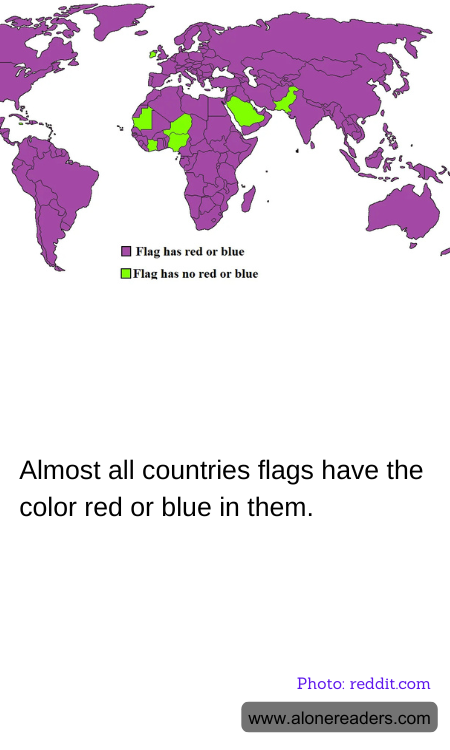
Red and blue are among the most common and prominent colors found in national flags across the globe. These colors serve not just as decoration but carry deep meanings and historical significance which resonates with the cultural and political ethos of a nation. The prevalence of these colors can be traced back to early human civilizations, where they were some of the first colors to be used in art and symbolism due to the availability of natural dyes.
Red, for example, is a powerful color often associated with strength, bravery, and valor. It is a color that stands out visually, capable of stirring strong emotions. Historically, red has been used in flags to symbolize the blood shed by those who fought for their country’s freedom or independence. It is a common theme in the flags of many nations, illustrating common human values such as sacrifice and courage.
Blue, on the other hand, typically signifies vigilance, perseverance, and justice. It is often linked to the sky and the sea, representing a calm but formidable strength, as well as vastness and freedom. Blue can also convey a sense of tranquility and authority, elements that are fundamental to the idea of nationhood and governance.
Together, or separately, these colors compose part of the flags of powerful and influential countries such as the United States, the United Kingdom, and Russia, as well as those of smaller nations, illustrating their universal appeal and relevance. Cultural factors also play a significant role in this. For many cultures, these colors are entrenched in traditional symbolism that extends beyond flags into general artistic and societal expressions.
Moreover, the use of red and blue in flags can be linked to influential historical empires and movements that had a lasting impact on their colonies or regions. For instance, the use of red and blue in many European and therefore European-derived flags harkens back to their origins in heraldic symbols used in medieval Europe.
The simplicity and boldness of red and blue make them effective for flags from a practical viewpoint as well. These colors are very visible from a distance and distinct under various weather conditions, making them ideal for the very purpose of a flag, which is to be seen and recognized.
In sum, the prevalence of red and blue in flags worldwide underscores their profound and shared symbolic meanings across different cultures and nations, highlighting commonalities in human values and aesthetics. These colors speak a universal language of unity, strength, and justice, making them enduring choices in the representation of national identities.