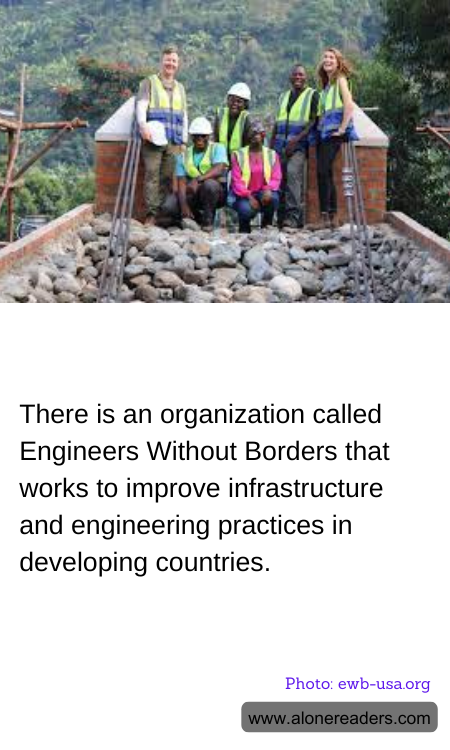
Engineers Without Borders (EWB) is an international organization that comprises a network of dedicated professionals and students who aspire to make a substantial difference in developing communities around the world. Focused primarily on improving infrastructure and engineering practices, EWB operates under the belief that basic access to infrastructure is not only a fundamental human right but is also crucial for the broader development of a community.
The organization targets a range of vital projects that include water supply, sanitation, sustainable energy, and the construction of essential facilities such as schools and health centers. These projects are not just about building physical structures but are deeply integrated with the empowerment of communities. One of EWB's key strategies is to collaborate closely with local partners to design and implement sustainable engineering solutions, ensuring that these solutions are culturally and technically appropriate.
For example, in areas where water scarcity is a pressing issue, EWB might be involved in designing and implementing systems for rainwater harvesting or repairing old water supply systems to improve access to clean water. Similarly, in regions lacking basic sanitation, the organization works on constructing durable and culturally accepted sanitation facilities, which significantly impact public health and hygiene.
One of the unique aspects of Engineers Without Borders is its commitment to capacity building within these communities. By involving local stakeholders in the planning and building process, EWB ensures that the projects are maintained effectively and can evolve according to community needs. This participatory approach not only fosters a sense of ownership and empowerment but also builds local expertise in engineering practices.
The impact of EWB's work extends beyond the tangible outcomes of its projects. By improving infrastructure, the organization indirectly supports education by constructing schools and creating safer learning environments. Additionally, by promoting sustainable practices like renewable energy, EWB contributes to environmental conservation and helps communities adapt to the effects of climate change.
Currently operating in multiple countries across continents, Engineers Without Borders continues to grow its influence and outreach. Volunteers from around the world, including engineers, educators, students, and professionals from various fields, contribute their skills and knowledge toward achieving EWB’s mission. This global network not only helps in addressing immediate infrastructure needs but also in creating a sustainable future for some of the most vulnerable populations worldwide.
