More About This Card
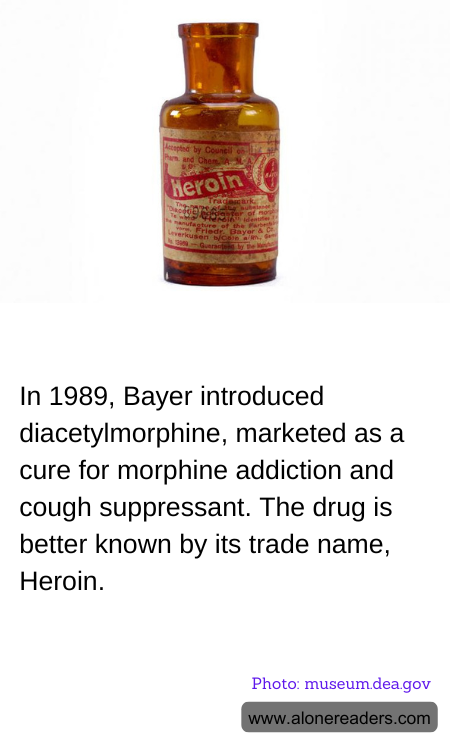
In the late 19th century, the world of medicine was on the brink of numerous groundbreaking discoveries. Among these was the introduction of a new pharmaceutical product by the German company Bayer in 1898, which was initially marketed as a revolutionary treatment for morphine addiction and as an effective cough suppressant. This drug, known chemically as diacetylmorphine, would later become infamous under its trade name, Heroin.
At the time, morphine addiction was a significant public health concern. Morphine, derived from opium, was widely used for pain relief but had a high potential for addiction. Bayer's scientists believed they had found a solution in diacetylmorphine, which was synthesized by adding two acetyl groups to the morphine molecule. This modification was thought to reduce the addictive properties of morphine while retaining its analgesic effects. The drug was named "Heroin," derived from the German word "heroisch," meaning heroic, due to the feelings of euphoria it produced.
Initially, Heroin was hailed as a medical marvel. It was marketed not only as a remedy for morphine addiction but also as a treatment for various respiratory ailments, including tuberculosis and pneumonia, due to its ability to suppress coughs. Physicians and patients alike were enthusiastic about this new "non-addictive" alternative to morphine. However, it soon became apparent that Heroin was far from the miracle cure it was claimed to be.
As Heroin became more widely used, reports of its addictive potential began to surface. It was discovered that the drug was rapidly metabolized into morphine in the body, leading to similar, if not more severe, dependency issues. The euphoric effects that initially seemed beneficial were, in fact, a significant factor in its addictive nature. By the early 20th century, the medical community began to recognize the dangers of Heroin, and its use as a therapeutic agent declined.
In response to the growing awareness of its addictive properties, Heroin was eventually banned in many countries. In the United States, the Harrison Narcotics Tax Act of 1914 marked the beginning of federal control over narcotics, and by 1924, Heroin was outlawed for medical use. Despite these regulations, Heroin's legacy as a substance of abuse continued, contributing to the ongoing challenges of addiction and illicit drug trade.
Today, Heroin is a stark reminder of the complexities and unintended consequences that can arise from pharmaceutical innovation. It serves as a cautionary tale about the importance of thorough research and regulation in the development and marketing of new drugs. While the initial intentions behind Heroin's introduction were to alleviate suffering, its history underscores the critical need for vigilance in the pursuit of medical advancements.