More About This Card
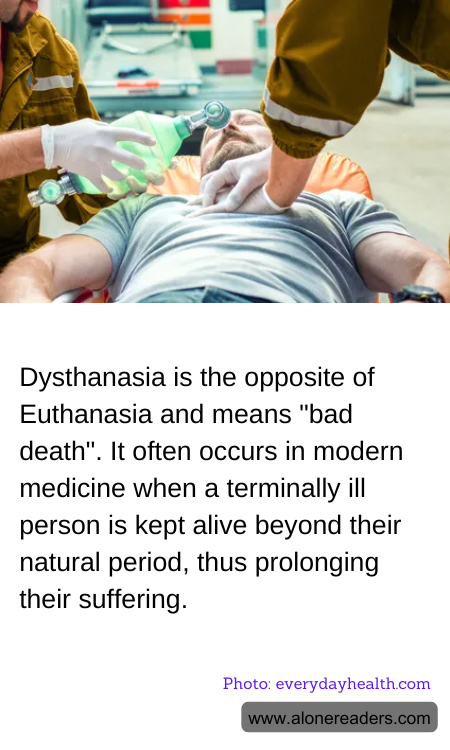
In the realm of medical ethics, the term "dysthanasia" is gaining attention as a significant concern. Often described as the opposite of euthanasia, dysthanasia refers to a "bad death," a situation where medical interventions prolong the life of a terminally ill patient beyond their natural lifespan, often extending their suffering. This concept challenges the boundaries of modern medicine, raising questions about the quality of life and the ethical responsibilities of healthcare providers.
Dysthanasia typically occurs when aggressive treatments are pursued despite the inevitability of death, often due to the availability of advanced medical technologies. While these technologies can be life-saving in many situations, their use in terminal cases can sometimes lead to an extended period of suffering for patients. This is particularly concerning when the focus shifts from the patient's comfort and dignity to merely prolonging life at any cost. The intention behind such interventions is often well-meaning, driven by a desire to preserve life, but it can inadvertently result in a prolonged and painful dying process.
The ethical dilemma surrounding dysthanasia is complex. On one hand, there is a natural human instinct to fight for life, supported by the Hippocratic Oath that guides physicians to do no harm. On the other hand, there is a growing recognition of the importance of quality of life and the right to die with dignity. Families and healthcare providers often face difficult decisions, balancing the hope for recovery with the reality of the patient's condition. In some cases, the fear of legal repercussions or the emotional difficulty of letting go can lead to decisions that prioritize life extension over the patient's comfort.
Addressing dysthanasia requires a shift in how society views death and dying. It calls for open conversations about end-of-life care, encouraging patients and families to discuss their wishes and values before a crisis occurs. Advance directives and living wills can play a crucial role in ensuring that a patient's preferences are respected, guiding healthcare providers in making decisions that align with the patient's desires. Palliative care, which focuses on relieving symptoms and improving quality of life, should be integrated into the treatment plans of terminally ill patients to prevent unnecessary suffering.
Ultimately, the challenge of dysthanasia highlights the need for a compassionate approach to end-of-life care. By prioritizing the well-being and dignity of patients, healthcare providers can help ensure that the final stages of life are as peaceful and comfortable as possible. As medical technology continues to advance, it is essential to remember that the goal of medicine should not only be to extend life but to enhance the quality of the time that remains.