More About This Card
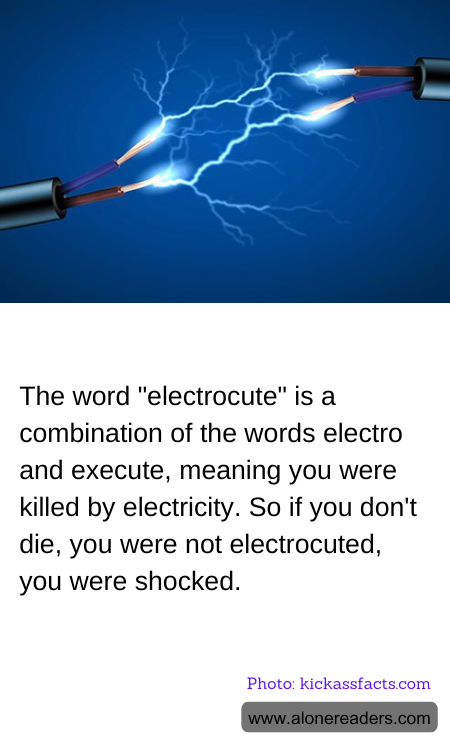
The English language is a fascinating tapestry of words, each with its own unique origin and evolution. One such word that often sparks curiosity is "electrocute." At first glance, it might seem like a straightforward term used to describe an encounter with electricity. However, a closer look reveals a more precise and somewhat morbid origin. The word "electrocute" is a portmanteau, a blend of "electro" and "execute," which literally means to be killed by electricity. This etymology highlights an important distinction: if a person survives an encounter with electricity, they have not been electrocuted; they have been shocked.
Understanding the difference between being electrocuted and being shocked is not just a matter of semantics; it is crucial for accurate communication, especially in emergency situations. When someone is electrocuted, it implies a fatal outcome, whereas being shocked refers to a non-lethal experience with electricity. This distinction can be vital for first responders and medical professionals who need to assess the severity of an incident quickly and accurately.
The misuse of the term "electrocute" is common, often due to its dramatic connotation. People might say they were electrocuted when they actually experienced a shock, perhaps from a faulty appliance or an exposed wire. While both situations can be dangerous, the outcomes are vastly different. A shock can range from a mild tingling sensation to a severe jolt that causes burns or muscle contractions, but it is survivable. Electrocution, on the other hand, is always fatal.
This linguistic nuance also serves as a reminder of the importance of electrical safety. Electricity is a powerful force that, while essential to modern life, can be deadly if not handled with care. Understanding the terminology helps reinforce the seriousness of electrical hazards and the need for proper precautions. Whether it's ensuring that electrical installations are up to code, using appliances correctly, or teaching children about the dangers of electricity, awareness and education are key to preventing accidents.
In everyday conversation, it might seem trivial to differentiate between being shocked and being electrocuted. However, language shapes our understanding of the world, and using the correct terms can influence how we perceive and respond to situations. By reserving "electrocute" for its intended meaning, we not only honor the precision of language but also promote a clearer understanding of electrical safety. So, the next time you experience a jolt of electricity, remember: if you're here to tell the tale, you were shocked, not electrocuted.