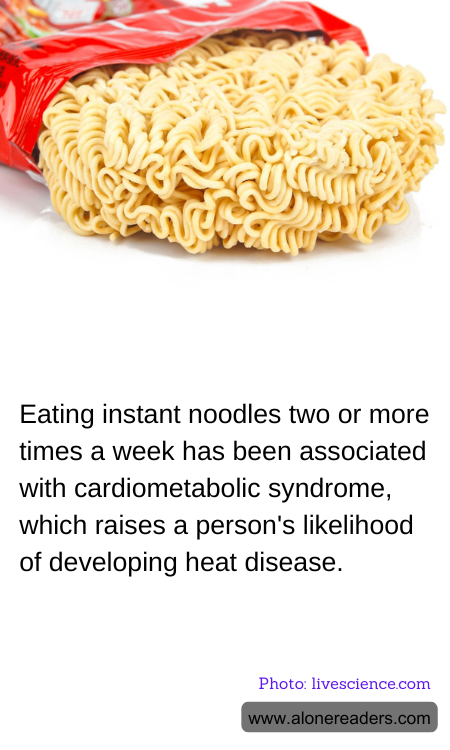
Instant noodles have long been a popular choice for those seeking a quick and affordable meal. Their convenience and taste make them a staple in many households, especially among students and busy professionals. However, recent studies have raised concerns about the health implications of consuming instant noodles frequently. Specifically, eating instant noodles two or more times a week has been associated with an increased risk of developing cardiometabolic syndrome, a cluster of conditions that heighten the likelihood of heart disease.
Cardiometabolic syndrome encompasses a range of health issues, including high blood pressure, elevated blood sugar levels, excess body fat around the waist, and abnormal cholesterol levels. These conditions often occur together, increasing the risk of heart disease, stroke, and type 2 diabetes. The link between instant noodle consumption and cardiometabolic syndrome is particularly concerning given the global prevalence of these convenient meals.
The primary culprits in instant noodles are their high sodium content and the presence of unhealthy fats. A single serving of instant noodles can contain a significant portion of the recommended daily sodium intake, which can contribute to high blood pressure—a key component of cardiometabolic syndrome. Additionally, many instant noodles are fried in palm oil or other saturated fats, which can lead to increased cholesterol levels and further exacerbate heart health issues.
Moreover, instant noodles often lack essential nutrients such as fiber, vitamins, and minerals, which are crucial for maintaining a balanced diet. This nutritional deficiency can lead to poor dietary habits, as individuals may not consume the necessary nutrients from other food sources. Over time, this can contribute to weight gain and other health problems associated with cardiometabolic syndrome.
While the occasional consumption of instant noodles is unlikely to cause significant harm, regular intake can have cumulative negative effects on health. For those who enjoy instant noodles, there are ways to make them a healthier option. Adding vegetables, lean proteins, and reducing the use of the seasoning packet can help mitigate some of the health risks. Opting for whole grain or low-sodium versions, when available, can also make a difference.
Ultimately, awareness and moderation are key. Understanding the potential health risks associated with frequent instant noodle consumption can encourage individuals to make more informed dietary choices. By incorporating a variety of nutrient-rich foods into their diet, people can enjoy the convenience of instant noodles without compromising their long-term health. As with many aspects of nutrition, balance is essential to maintaining a healthy lifestyle and reducing the risk of cardiometabolic syndrome and related health issues.
