More About This Card
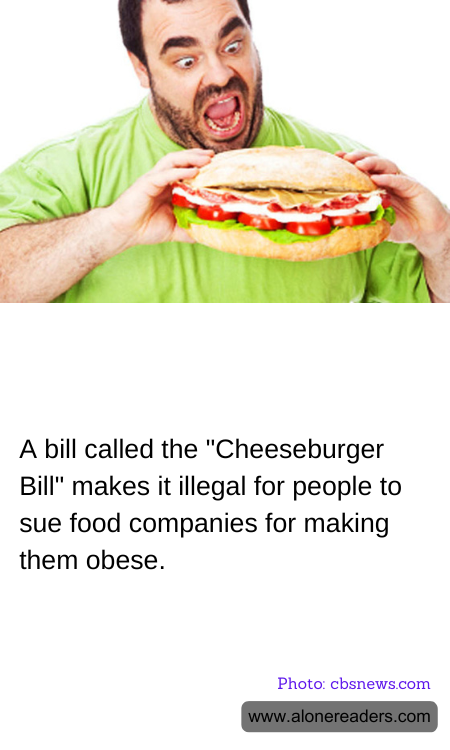
In recent years, the debate over personal responsibility versus corporate accountability has taken center stage in the realm of public health and consumer rights. One of the most intriguing developments in this ongoing discussion is the introduction of a legislative proposal commonly referred to as the "Cheeseburger Bill." This bill seeks to make it illegal for individuals to sue food companies for contributing to their obesity, sparking a heated debate about the role of the food industry in public health and the extent of personal responsibility.
The "Cheeseburger Bill" emerged in response to a series of lawsuits where plaintiffs sought to hold fast-food chains and other food manufacturers accountable for their weight gain and related health issues. Proponents of the bill argue that individuals should be responsible for their dietary choices and that the legal system should not be used to penalize companies for providing products that consumers willingly purchase. They contend that allowing such lawsuits could open the floodgates to frivolous litigation, burdening the judicial system and stifling business innovation.
Supporters of the bill also emphasize the importance of personal responsibility in maintaining a healthy lifestyle. They argue that individuals have access to a wealth of information about nutrition and health, enabling them to make informed choices about their diets. By shifting the focus away from litigation, they believe that society can foster a culture of personal accountability and encourage healthier living through education and awareness.
On the other hand, critics of the "Cheeseburger Bill" argue that it absolves food companies of their responsibility to provide healthier options and transparent information about their products. They point out that the food industry has a significant influence on consumer behavior through marketing and product placement, often targeting vulnerable populations, including children and low-income communities. Critics assert that these companies should be held accountable for their role in the obesity epidemic, particularly when they engage in deceptive advertising or fail to disclose the nutritional content of their products.
Furthermore, opponents of the bill argue that it undermines efforts to address the broader systemic issues contributing to obesity, such as food deserts and the lack of access to affordable, nutritious food. They believe that legal action can serve as a powerful tool to drive change within the industry, compelling companies to prioritize public health and adopt more responsible practices.
As the "Cheeseburger Bill" continues to be debated, it raises important questions about the balance between personal choice and corporate responsibility. While the bill aims to protect businesses from litigation, it also challenges society to consider the broader implications of food consumption and the role of industry in shaping public health outcomes. Ultimately, the resolution of this debate will likely require a multifaceted approach that combines personal responsibility with corporate accountability, fostering an environment where both individuals and companies contribute to a healthier future.