More About This Card
The fascinating world of genetics often presents us with intriguing phenomena, one of which is the occurrence of identical twins. Identical twins, or monozygotic twins, originate from a single fertilized egg that splits into two, resulting in two individuals with identical genetic material. This genetic mirroring often leads to remarkable similarities between the twins, not only in appearance but also in various physiological traits, including dental characteristics.
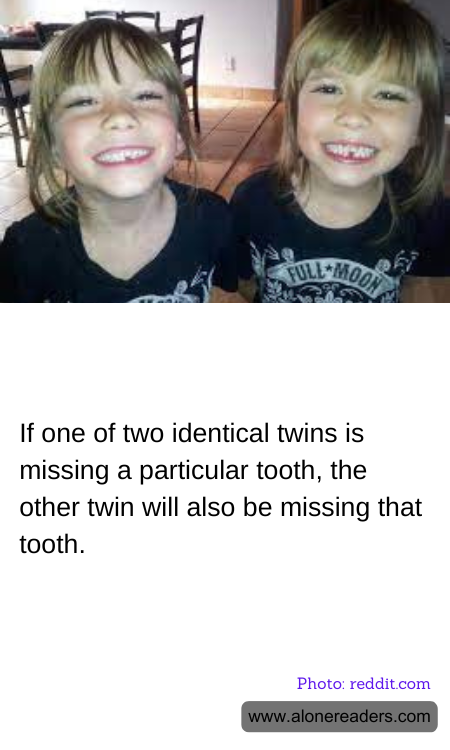
A curious aspect of this genetic mirroring is the occurrence of congenitally missing teeth, a condition known as hypodontia. In cases where one identical twin is missing a particular tooth, it is highly likely that the other twin will also be missing the same tooth. This phenomenon underscores the powerful influence of genetics on dental development. The genes responsible for tooth formation are inherited, and any genetic anomaly affecting these genes can manifest similarly in both twins.
The genetic basis for tooth development involves a complex interplay of multiple genes, each contributing to different stages of tooth formation. When a mutation or variation occurs in any of these genes, it can lead to the absence of one or more teeth. In identical twins, the shared genetic makeup means that any such mutation is present in both individuals, leading to the same dental anomaly. This is why if one twin is missing a specific tooth, the other is likely to share this trait.
However, while genetics plays a significant role, it is not the sole factor influencing dental development. Environmental factors, such as nutrition and oral health practices, can also impact tooth formation and health. Despite their identical genetic codes, twins may experience different environmental influences, which can lead to variations in other aspects of their dental health, such as the timing of tooth eruption or susceptibility to cavities.
The study of identical twins and their dental characteristics provides valuable insights into the genetic mechanisms underlying tooth development. It also highlights the importance of genetics in determining not only dental traits but also other physical and health-related characteristics. For researchers and dental professionals, understanding these genetic influences can aid in diagnosing and managing dental anomalies more effectively.
For the general public, this knowledge serves as a reminder of the intricate ways in which genetics shapes our bodies. It also emphasizes the importance of maintaining good oral hygiene and regular dental check-ups, as these practices can help mitigate the impact of any genetic predispositions. While we may not be able to change our genetic makeup, we can certainly influence our dental health through informed and proactive care.
In conclusion, the phenomenon of identical twins sharing the same missing tooth is a testament to the powerful role of genetics in dental development. It serves as a fascinating example of how our genetic blueprint can dictate specific physical traits, reinforcing the intricate connection between genetics and our everyday lives.