More About This Card
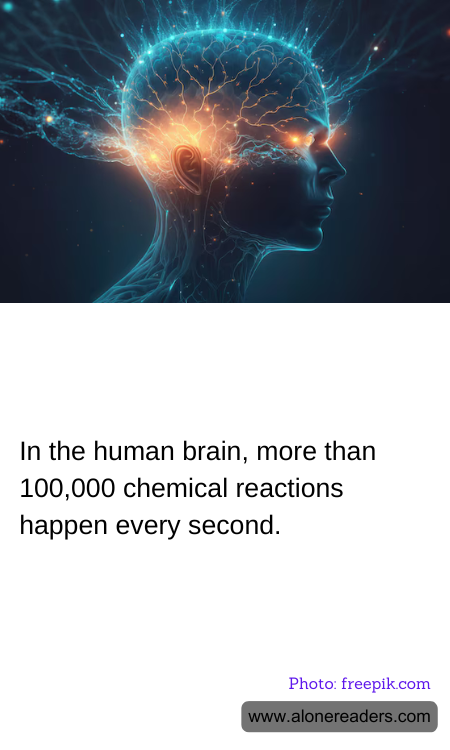
The human brain is a marvel of biological engineering, a complex organ that orchestrates every thought, movement, and sensation we experience. At the heart of its functionality lies an astonishing fact: more than 100,000 chemical reactions occur every second within this intricate network. This ceaseless activity is what enables the brain to process information, regulate bodily functions, and maintain our consciousness.
These chemical reactions are primarily driven by neurotransmitters, which are chemical messengers that transmit signals across synapses, the tiny gaps between neurons. When an electrical signal reaches the end of a neuron, it triggers the release of neurotransmitters into the synapse. These molecules then bind to receptors on the neighboring neuron, continuing the transmission of the signal. This process is fundamental to everything from reflexive actions to complex decision-making.
The sheer number of reactions occurring every second underscores the brain's incredible efficiency and capacity. It is this relentless activity that allows us to learn new skills, adapt to changing environments, and store memories. The brain's plasticity, or its ability to reorganize itself by forming new neural connections, is a testament to the dynamic nature of these chemical processes. This adaptability is crucial for recovery from injuries and for the continuous development of cognitive abilities throughout life.
Moreover, the balance and regulation of these chemical reactions are vital for maintaining mental health. Imbalances in neurotransmitter levels can lead to various neurological and psychiatric disorders, such as depression, anxiety, and schizophrenia. Understanding the chemical underpinnings of these conditions has been a focal point of neuroscience research, leading to the development of medications that aim to restore balance and improve quality of life for those affected.
The brain's chemical activity also plays a significant role in our emotional experiences. Neurotransmitters like dopamine and serotonin are closely linked to feelings of pleasure and happiness. The release of these chemicals during positive experiences reinforces behaviors and contributes to our overall sense of well-being. Conversely, disruptions in their levels can affect mood and emotional stability.
In essence, the human brain is a bustling hub of chemical activity, with each reaction contributing to the seamless operation of our mental and physical faculties. This continuous interplay of chemical reactions not only defines our current state of being but also shapes our future potential. As research advances, our understanding of these processes will continue to deepen, offering new insights into the mysteries of the mind and paving the way for innovative treatments and technologies. The brain's chemical symphony is a testament to the complexity and wonder of human life, reminding us of the intricate connections that define our existence.