More About This Card
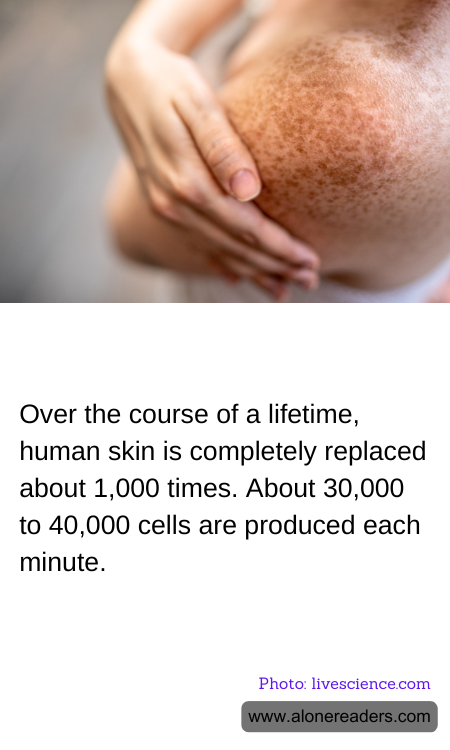
The human body is a marvel of biological engineering, and one of its most fascinating features is the skin. As the largest organ, the skin serves as a protective barrier, shielding us from environmental hazards, regulating body temperature, and allowing us to sense the world through touch. Yet, despite its resilience, the skin is in a constant state of renewal. Over the course of a lifetime, human skin is completely replaced about 1,000 times, a testament to its dynamic nature and the body's remarkable ability to regenerate.
Every minute, the human body produces an astonishing 30,000 to 40,000 skin cells. This continuous production is essential for maintaining the skin's integrity and function. The outermost layer of the skin, known as the epidermis, is where this renewal process is most evident. Here, new cells are generated at the base and gradually pushed to the surface as older cells are shed. This cycle ensures that the skin remains healthy and capable of performing its vital roles.
The process of skin renewal is not just a fascinating biological phenomenon; it is also crucial for healing and adaptation. When the skin is injured, whether through a minor cut or a more significant wound, the body's ability to replace damaged cells with new ones is what allows for recovery. This regenerative capability is also why our skin can adapt to changes in our environment, such as exposure to sunlight, which can trigger the production of melanin to protect against UV radiation.
Beyond its protective functions, the skin's renewal process also plays a role in our appearance. The shedding of old skin cells and the emergence of new ones contribute to a fresh and youthful look. This is why skincare routines often emphasize exfoliation, which helps remove dead skin cells and promote the growth of new ones. By supporting the skin's natural renewal process, we can enhance its health and appearance.
The continuous replacement of skin cells is a reminder of the body's incredible capacity for self-maintenance and adaptation. It underscores the importance of taking care of our skin through proper hydration, nutrition, and protection from environmental stressors. By understanding and supporting the skin's natural processes, we can ensure that this vital organ continues to serve us well throughout our lives.
In conclusion, the human skin's ability to renew itself approximately 1,000 times over a lifetime is a testament to the body's resilience and adaptability. With 30,000 to 40,000 cells produced each minute, the skin remains a dynamic and essential part of our overall health and well-being. Embracing this natural process and caring for our skin can help us maintain its function and appearance, allowing us to enjoy the benefits of this remarkable organ for years to come.