More About This Card
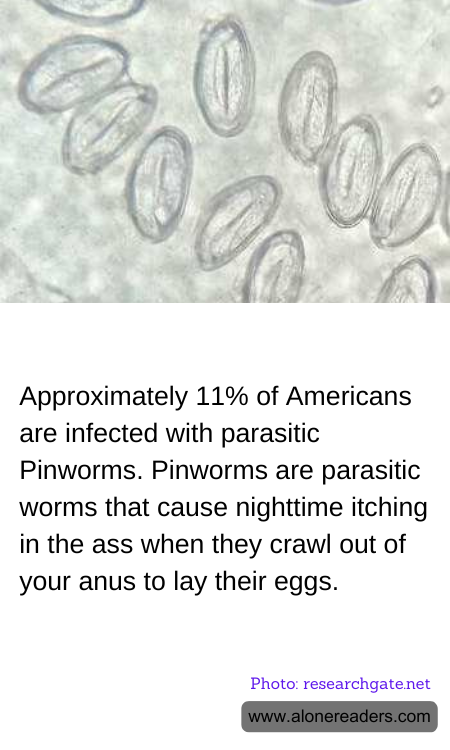
Pinworms, scientifically known as Enterobius vermicularis, are a common parasitic infection affecting approximately 11% of Americans. These tiny, white worms are particularly prevalent among children, but they can easily spread to adults, making them a widespread concern. Despite their prevalence, pinworms are often misunderstood, leading to unnecessary stigma and discomfort for those affected.
The lifecycle of a pinworm is relatively straightforward yet fascinating. The adult female pinworm resides in the human intestine and, during the night, migrates to the anal area to lay her eggs. This nocturnal activity is what causes the hallmark symptom of pinworm infection: intense itching around the anus. This itching can lead to disturbed sleep and irritability, especially in young children who may not understand the cause of their discomfort.
Transmission of pinworms is primarily through the fecal-oral route. Eggs laid around the anus can be transferred to fingers through scratching, and from there, they can contaminate surfaces, clothing, and bedding. When someone unknowingly touches these contaminated surfaces and then touches their mouth, the cycle of infection continues. This ease of transmission is why pinworms are so common in households, schools, and daycare centers.
Fortunately, pinworm infections are not typically dangerous and can be treated effectively with over-the-counter or prescription medications. These medications work by killing the adult worms, but since they do not kill the eggs, a second dose is often recommended two weeks later to prevent reinfection. In addition to medication, maintaining good hygiene practices is crucial in controlling the spread of pinworms. Regular handwashing, keeping fingernails short, and washing bedding and clothing in hot water can significantly reduce the risk of transmission.
Education and awareness are key in managing pinworm infections. By understanding how pinworms spread and implementing preventive measures, individuals and families can minimize the risk of infection. It's important to approach the topic with sensitivity, especially when discussing it with children, to avoid embarrassment and ensure that those affected receive the necessary care and support.
In conclusion, while pinworms are a common and often uncomfortable reality for many Americans, they are manageable with proper treatment and hygiene practices. By fostering a better understanding of pinworms and promoting preventive measures, we can reduce their prevalence and improve the quality of life for those affected.