More About This Card
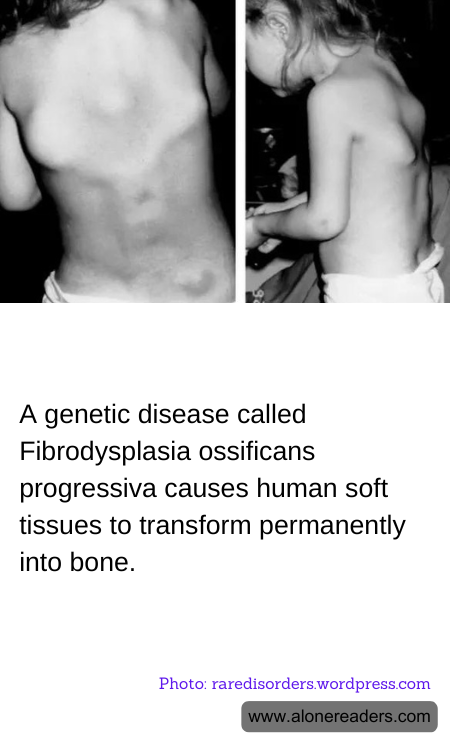
Fibrodysplasia ossificans progressiva (FOP) is a rare and debilitating genetic disorder that captures the attention of both medical professionals and the general public due to its extraordinary nature. This condition, which affects approximately one in two million people worldwide, causes the body's soft tissues, such as muscles, tendons, and ligaments, to gradually transform into bone. This abnormal bone growth, known as heterotopic ossification, leads to a progressive loss of mobility and function, severely impacting the quality of life for those affected.
The root cause of FOP lies in a mutation of the ACVR1 gene, which plays a crucial role in bone growth and development. This mutation causes the body's repair mechanisms to go awry, leading to the inappropriate formation of bone in areas where it should not occur. The process often begins in early childhood, with the first signs typically appearing as painful swellings or "flare-ups" in the neck and shoulders. Over time, these flare-ups result in the formation of new bone, which can fuse joints and restrict movement.
Living with FOP presents numerous challenges, as even minor injuries or surgical interventions can trigger new bone growth. This makes routine activities and medical procedures potentially hazardous. As the disease progresses, individuals may experience significant physical limitations, including difficulty walking, eating, and breathing, as the ossification process encroaches on vital areas of the body. Despite these challenges, many individuals with FOP demonstrate remarkable resilience and adaptability, finding ways to navigate their daily lives with creativity and determination.
Currently, there is no cure for FOP, and treatment options are limited. Management of the condition primarily focuses on alleviating symptoms and preventing flare-ups. This often involves the use of medications to reduce inflammation and pain, as well as physical therapy to maintain as much mobility as possible. Researchers are actively exploring potential therapies that could target the underlying genetic mutation or the pathways involved in abnormal bone formation. Advances in genetic research and biotechnology offer hope for future breakthroughs that could significantly alter the course of the disease.
Raising awareness about FOP is crucial, not only to support ongoing research efforts but also to foster understanding and empathy for those living with this challenging condition. By sharing stories and information, we can help build a community that supports individuals with FOP and their families, offering them hope and encouragement as they navigate the complexities of this rare disease. As science continues to advance, there is optimism that new treatments will emerge, bringing relief and improved quality of life to those affected by fibrodysplasia ossificans progressiva.