More About This Card
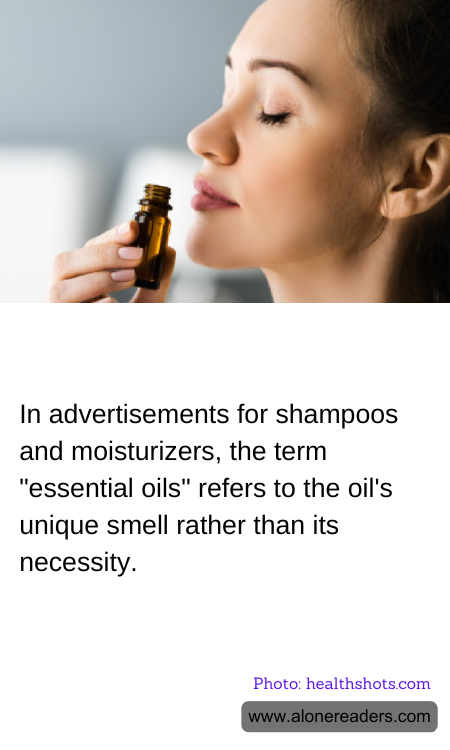
In the world of beauty and personal care, advertisements for shampoos and moisturizers often highlight the inclusion of "essential oils" as a key selling point. These oils are frequently touted for their luxurious qualities and natural origins, suggesting a sense of necessity and superiority. However, the term "essential" in this context is somewhat misleading. Rather than indicating a vital component for health or beauty, "essential" refers to the oil's unique fragrance, which is derived from the essence of the plant it is extracted from.
Essential oils are concentrated plant extracts that capture the plant's scent and flavor, or "essence." They are obtained through processes like distillation or cold pressing. The term "essential" is derived from the Latin word "essentia," meaning essence, which highlights the oil's aromatic properties rather than its indispensability. In the context of shampoos and moisturizers, these oils are primarily included for their aromatic benefits, enhancing the sensory experience of using the product.
The allure of essential oils in personal care products is largely due to their natural origins and the pleasant scents they impart. Lavender, peppermint, and tea tree oils, for example, are popular choices for their soothing, invigorating, or clarifying aromas. These scents can evoke feelings of relaxation, energy, or cleanliness, adding an emotional dimension to the daily routines of washing hair or moisturizing skin. This sensory appeal is a significant factor in consumer preference, as the fragrance of a product can influence mood and personal satisfaction.
While essential oils are not "essential" in the sense of being necessary for health, they can offer additional benefits beyond their fragrance. Some oils have properties that may support skin health, such as antimicrobial or anti-inflammatory effects. For instance, tea tree oil is known for its ability to combat acne-causing bacteria, while chamomile oil can soothe irritated skin. However, these benefits are secondary to the primary role of essential oils in personal care products, which is to enhance the product's scent profile.
It is important for consumers to understand that while essential oils can contribute to a product's appeal, they are not a magic bullet for beauty or health. The effectiveness of a shampoo or moisturizer depends on its overall formulation, including the presence of other active ingredients that address specific hair or skin concerns. Essential oils should be viewed as a complementary component that enhances the sensory experience rather than a critical ingredient.
In conclusion, the term "essential oils" in advertisements for shampoos and moisturizers primarily refers to the oils' aromatic qualities rather than their necessity. These oils add a layer of luxury and enjoyment to personal care routines, appealing to the senses and enhancing the overall experience. While they may offer some additional benefits, their primary role is to provide a pleasant fragrance, making them a desirable but not indispensable part of beauty products. Understanding this distinction can help consumers make informed choices about the products they use and appreciate the role of essential oils in enhancing their daily rituals.