More About This Card
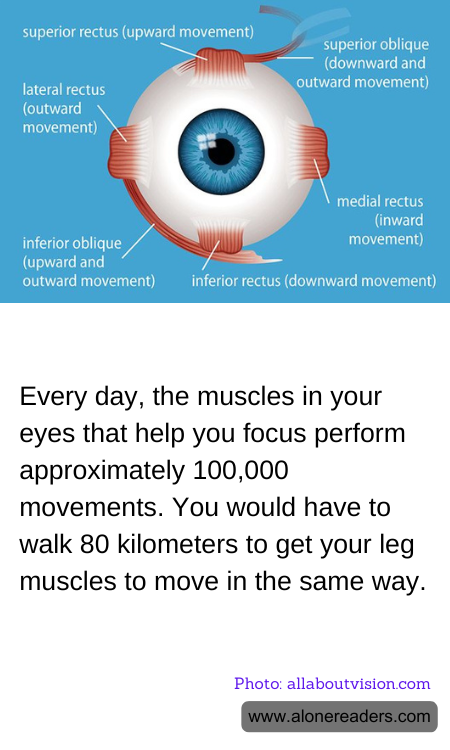
The human body is a marvel of biological engineering, with each part performing its own unique set of functions to keep us alive and thriving. Among the most fascinating components of our anatomy are the muscles in our eyes, which are constantly at work, often without us even realizing it. Every day, these tiny muscles perform approximately 100,000 movements to help us focus on the world around us. This is an astounding feat when you consider that to achieve a similar level of activity with your leg muscles, you would need to walk an astonishing 80 kilometers.
The eye muscles responsible for this incredible performance are primarily the ciliary muscles, which adjust the lens of the eye to focus on objects at varying distances. This process, known as accommodation, allows us to seamlessly shift our gaze from a book in our hands to a bird flying in the sky. The precision and speed at which these muscles operate are crucial for our ability to see clearly and interact with our environment effectively.
What makes this even more impressive is the fact that these movements are largely involuntary. Our eyes are constantly adjusting and refocusing, even as we go about our daily activities, whether we're reading, watching television, or simply taking in the scenery during a walk. This continuous activity is essential for maintaining clear vision and preventing eye strain, which can occur when the eyes are forced to focus for extended periods without rest.
The comparison to walking 80 kilometers highlights the sheer magnitude of the eye muscles' workload. While most of us would find it challenging to walk such a distance in a single day, our eye muscles perform their task tirelessly, day in and day out. This comparison also underscores the importance of taking care of our eyes, as they are one of the most active parts of our body.
To maintain healthy eye muscles and overall eye health, it's important to practice good habits. Taking regular breaks from screens, ensuring proper lighting while reading or working, and getting regular eye check-ups can help keep our eyes in top condition. Additionally, a balanced diet rich in vitamins and minerals, such as vitamin A and omega-3 fatty acids, can support eye health and function.
In conclusion, the muscles in our eyes are unsung heroes, performing an incredible number of movements each day to ensure we can see the world clearly. Their relentless activity is a testament to the complexity and efficiency of the human body. By understanding and appreciating the work these muscles do, we can take better care of our eyes and enjoy the gift of sight for years to come.