More About This Card
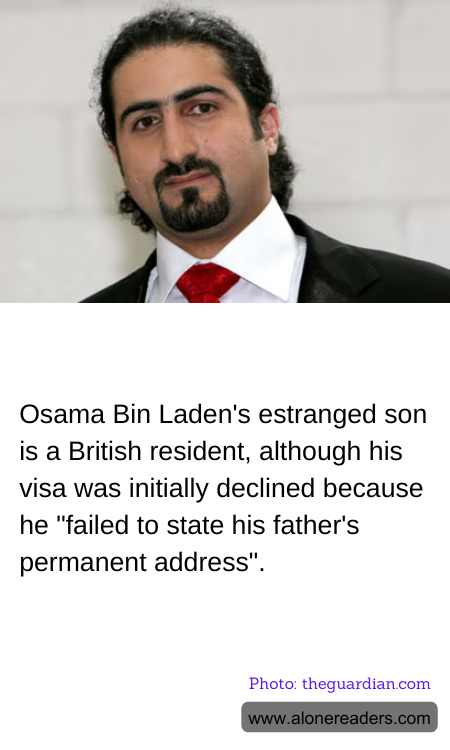
Osama Bin Laden, the infamous mastermind behind the September 11 attacks, left a complex legacy that continues to ripple through the lives of his family members. Among them is his estranged son, who has recently become a British resident despite initial hurdles in his visa application process. The son, whose identity is often overshadowed by his father's notoriety, faced a peculiar challenge when his visa was initially declined due to his failure to provide his father's permanent address—a requirement that seems almost paradoxical given the circumstances.
The intricacies of this case highlight the bureaucratic challenges faced by individuals with familial ties to controversial figures. The British immigration authorities, adhering to standard procedures, required a permanent address for Osama Bin Laden, a detail that is both elusive and irrelevant considering his demise in 2011. This requirement underscores the complexities and sometimes rigid nature of immigration processes, which often fail to account for extraordinary circumstances.
Despite these initial setbacks, the son has now secured residency in the UK, a decision that reflects a nuanced understanding of individual identity separate from familial associations. This development is significant, not only for the individual involved but also for broader discussions about the rights and identities of those related to infamous figures. It raises important questions about how societies balance security concerns with the rights of individuals who, despite their lineage, may not share the ideologies or actions of their relatives.
The case also sheds light on the broader implications of familial ties to terrorism and how they are perceived in legal and social contexts. It challenges the notion of inherited guilt and emphasizes the importance of assessing individuals based on their own actions and merits. This perspective is crucial in fostering a more just and empathetic approach to immigration and residency decisions, particularly in cases involving complex family histories.
As the son of Osama Bin Laden navigates his new life in the UK, his story serves as a reminder of the enduring impact of historical events on personal lives. It also highlights the ongoing need for immigration systems to adapt and respond to unique circumstances with fairness and sensitivity. Ultimately, this case invites reflection on how societies can reconcile security concerns with the principles of justice and individual rights, ensuring that the sins of the father do not unjustly burden the lives of their children.