More About This Card
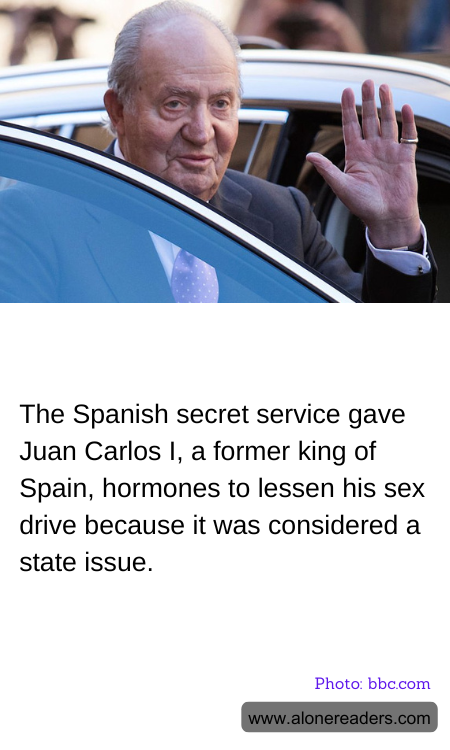
In a revelation that has captured the attention of both historians and the general public, it has been reported that the Spanish secret service administered hormones to Juan Carlos I, the former king of Spain, to reduce his sex drive. This unusual intervention was allegedly deemed necessary due to concerns that his personal life was becoming a matter of state interest.
Juan Carlos I, who reigned from 1975 until his abdication in 2014, played a pivotal role in transitioning Spain from a dictatorship to a democracy. However, his reign was not without controversy, particularly regarding his personal life. Reports of numerous romantic liaisons and extramarital affairs have long been a subject of tabloid speculation and public discourse. It is now suggested that these activities were perceived as potentially destabilizing, prompting the secret service to take unprecedented measures.
The decision to administer hormones was reportedly made to protect the image of the monarchy and maintain political stability. The monarchy, a symbol of unity and continuity in Spain, was seen as vulnerable to scandal, which could undermine public confidence and distract from the king's official duties. By reducing Juan Carlos's libido, it was believed that the potential for scandal could be minimized, thus safeguarding the institution he represented.
This revelation raises significant ethical questions about the extent to which personal freedoms can be curtailed in the name of state security. It also highlights the complex interplay between personal behavior and public responsibility, especially for individuals in positions of power. The actions of the secret service, while perhaps intended to protect the monarchy, also reflect a broader societal expectation that public figures maintain a certain standard of personal conduct.
The implications of this intervention extend beyond the immediate context of Juan Carlos's reign. It prompts a reevaluation of how personal lives are managed and scrutinized in the public sphere, particularly for those in leadership roles. The balance between personal privacy and public accountability remains a contentious issue, with this case serving as a poignant example of the lengths to which authorities might go to preserve national interests.
As Spain continues to grapple with its royal legacy, the story of Juan Carlos I and the secret service's intervention offers a fascinating glimpse into the challenges of maintaining a modern monarchy. It underscores the ongoing tension between tradition and transparency, and the delicate task of navigating personal and public responsibilities in the spotlight of national and international attention.