More About This Card
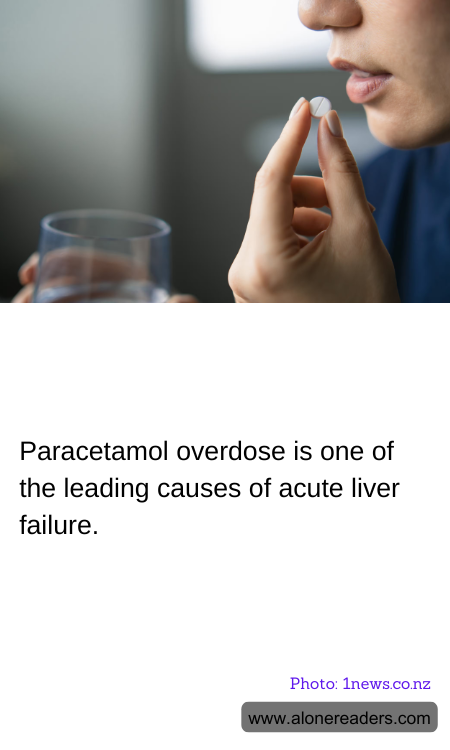
Paracetamol, also known as acetaminophen, is a common over-the-counter medication used to relieve pain and reduce fever. While it is widely regarded as safe when used appropriately, paracetamol overdose is a significant public health concern and one of the leading causes of acute liver failure worldwide. This condition underscores the importance of understanding the risks associated with paracetamol and the need for careful adherence to recommended dosages.
Acute liver failure occurs when the liver rapidly loses its ability to function, often within days or weeks. Paracetamol overdose can lead to this severe condition because the liver is responsible for metabolizing the drug. When taken in excessive amounts, the liver's capacity to process paracetamol is overwhelmed, leading to the accumulation of toxic metabolites. These metabolites can cause severe liver damage, and without prompt medical intervention, the consequences can be life-threatening.
One of the challenges in preventing paracetamol overdose is the drug's widespread availability and the misconception that it is entirely safe. Many people are unaware of the potential dangers of exceeding the recommended dose, which is typically no more than 4,000 milligrams per day for adults. This lack of awareness can lead to accidental overdoses, especially when individuals take multiple medications containing paracetamol or fail to account for the cumulative dose over time.
Symptoms of paracetamol overdose may not be immediately apparent, which can delay treatment. Initial signs can include nausea, vomiting, and abdominal pain, which may be mistaken for other less serious conditions. As the liver damage progresses, more severe symptoms such as jaundice, confusion, and bleeding may occur. Early detection and treatment are crucial, as the administration of the antidote, N-acetylcysteine, can significantly improve outcomes if given within a specific time frame after the overdose.
Preventing paracetamol overdose requires a multifaceted approach. Public education campaigns can raise awareness about the risks and encourage individuals to read labels carefully and adhere to dosing instructions. Healthcare providers play a critical role in advising patients on the safe use of paracetamol, especially those with pre-existing liver conditions or those taking other medications that may interact with paracetamol. Additionally, regulatory measures, such as limiting the size of paracetamol packages and improving labeling, can help reduce the risk of accidental overdose.
In conclusion, while paracetamol is an effective and widely used medication, it is not without risks. Paracetamol overdose remains a leading cause of acute liver failure, highlighting the need for increased awareness and preventive measures. By understanding the potential dangers and taking steps to use paracetamol responsibly, individuals can help protect themselves from the serious consequences of overdose and ensure the safe use of this common medication.