More About This Card
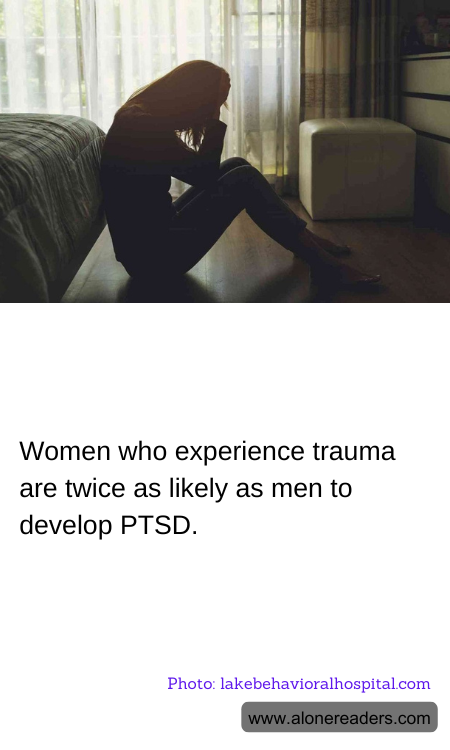
Post-Traumatic Stress Disorder (PTSD) is a mental health condition that can develop after experiencing or witnessing a traumatic event. While PTSD can affect anyone, research indicates that women are twice as likely as men to develop this disorder. This disparity raises important questions about the nature of trauma, gender differences in emotional processing, and the societal factors that contribute to these statistics.
One of the primary reasons women are more susceptible to PTSD is the type and frequency of trauma they experience. Women are more likely to be victims of certain types of trauma, such as sexual assault and domestic violence, which are strongly associated with the development of PTSD. These experiences can be deeply personal and invasive, often leading to feelings of powerlessness and fear that are difficult to overcome. Additionally, women may experience trauma more frequently in their lifetime, increasing their risk of developing PTSD.
Biological and psychological differences also play a significant role in the gender disparity observed in PTSD cases. Studies suggest that hormonal differences, such as those involving estrogen, may influence how women process stress and trauma. Furthermore, women are often socialized to be more in tune with their emotions and more likely to seek help for mental health issues. This increased awareness and willingness to report symptoms can lead to higher diagnosis rates among women, although it does not necessarily mean they experience PTSD more frequently than men.
Societal and cultural factors cannot be overlooked when examining why women are more prone to PTSD. Traditional gender roles and expectations can exacerbate feelings of shame and guilt in women who have experienced trauma, making it harder for them to seek support. Moreover, women often face additional stressors, such as balancing work and family responsibilities, which can compound the effects of trauma and hinder recovery.
Addressing the higher incidence of PTSD in women requires a multifaceted approach. Increasing awareness about the types of trauma women are more likely to experience is crucial. Providing targeted support and resources for women who have experienced trauma can help mitigate the long-term effects. Mental health professionals should be trained to recognize and address the unique challenges women face in the aftermath of trauma, ensuring that treatment approaches are sensitive to gender-specific needs.
Ultimately, understanding the reasons behind the higher rates of PTSD in women is essential for developing effective prevention and treatment strategies. By acknowledging the complex interplay of biological, psychological, and societal factors, we can work towards creating a more supportive environment for all individuals affected by trauma. This understanding not only aids in healing but also empowers women to reclaim their lives and move forward with resilience and strength.