More About This Card
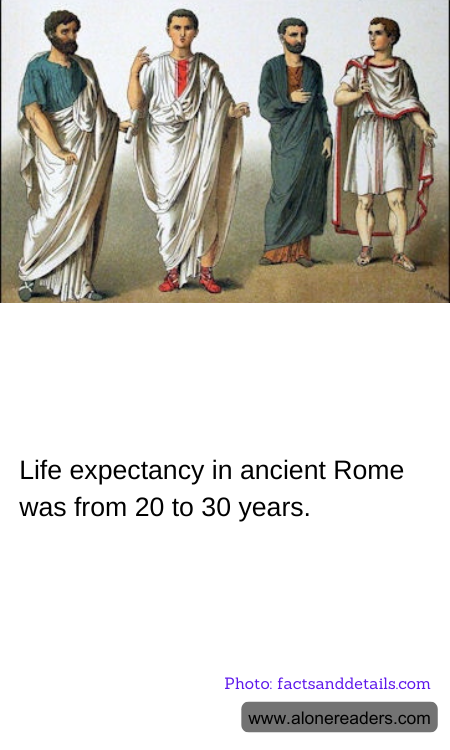
In ancient Rome, life expectancy was markedly lower than what we experience today, with estimates ranging from 20 to 30 years. This figure, however, can be misleading without context. The average life expectancy was heavily influenced by high infant mortality rates, which skewed the numbers downward. Many children did not survive past their first few years due to a lack of medical knowledge and the prevalence of diseases. For those who survived childhood, living into their 50s or 60s was not uncommon.
The harsh realities of ancient Roman life contributed to these statistics. The Roman world was rife with challenges that modern societies have largely overcome. Sanitation was a significant issue; although the Romans were advanced for their time, with aqueducts and public baths, they lacked the understanding of germs and disease transmission that we have today. This led to frequent outbreaks of illnesses that could decimate populations. Additionally, the Roman diet, while varied, often lacked essential nutrients, contributing to health problems.
War and violence also played a significant role in reducing life expectancy. The Roman Empire was built on military conquest, and many young men lost their lives in battle. Moreover, political instability and civil wars further contributed to the loss of life. Slavery, a cornerstone of Roman society, subjected many to harsh conditions and shortened lifespans. Slaves often worked in dangerous environments, such as mines or large estates, where their health and safety were not prioritized.
Despite these challenges, the Romans made significant advancements in medicine and public health. Roman physicians, influenced by Greek medical practices, began to develop surgical techniques and herbal remedies. Public health initiatives, such as the construction of aqueducts and sewers, were designed to improve living conditions. These efforts, while not eliminating the risks, did contribute to the survival of those who made it past childhood.
Understanding life expectancy in ancient Rome requires a nuanced view of the societal and environmental factors at play. While the average numbers suggest a short life, they mask the complexities of Roman society, where survival past infancy could lead to a relatively long life by ancient standards. The Romans' ability to adapt and innovate in the face of adversity is a testament to their resilience and ingenuity, laying the groundwork for future advancements in public health and medicine.