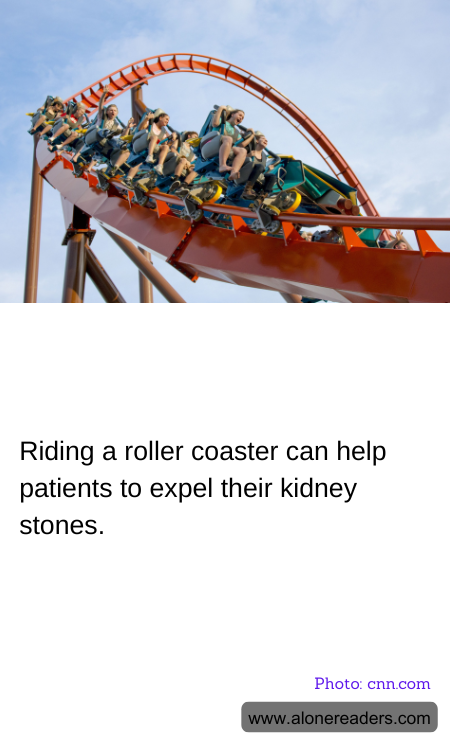
For many, the thrill of riding a roller coaster is an exhilarating experience, filled with twists, turns, and the rush of adrenaline. However, recent studies suggest that these amusement park rides may offer more than just entertainment—they could also serve as an unconventional remedy for kidney stones. This surprising discovery has piqued the interest of both medical professionals and thrill-seekers alike, offering a potential new method for alleviating the discomfort associated with kidney stones.
Kidney stones are hard deposits made of minerals and salts that form inside the kidneys. They can cause severe pain and discomfort as they move through the urinary tract. Traditional treatments range from medication to surgical procedures, depending on the size and severity of the stones. However, a study conducted by researchers at Michigan State University has introduced an unexpected alternative: roller coasters. The study, published in the Journal of the American Osteopathic Association, found that riding moderate-intensity roller coasters could help dislodge small kidney stones, facilitating their passage and reducing the need for more invasive treatments.
The research was inspired by anecdotal reports from patients who claimed to have passed kidney stones after riding roller coasters. To investigate these claims, the researchers used a 3D-printed model of a kidney filled with urine and kidney stones. They took this model on multiple rides of a popular roller coaster at Walt Disney World in Florida. The results were intriguing; the study found that riding in the back of the roller coaster was particularly effective, with a success rate of about 64% in dislodging kidney stones, compared to a 17% success rate when riding in the front.
The mechanism behind this phenomenon is believed to be the combination of the ride's vibrations and the force of gravity, which together help to jostle the stones loose. While this method is not a guaranteed solution for all patients, it offers a non-invasive and cost-effective option for those with small stones. It is important to note, however, that this approach is not suitable for everyone, particularly those with larger stones or other medical complications. Patients should always consult with their healthcare provider before attempting any alternative treatments.
This discovery highlights the potential for innovative approaches to medical treatment, demonstrating how everyday experiences can sometimes offer unexpected health benefits. While more research is needed to fully understand the implications and effectiveness of this method, the idea of using roller coasters as a therapeutic tool is a testament to the creativity and curiosity that drive scientific inquiry.
For those who enjoy the thrill of amusement parks and are looking for a novel way to address kidney stones, this research offers a glimmer of hope. As science continues to explore the boundaries of traditional medicine, who knows what other surprising remedies might be waiting just around the corner?
