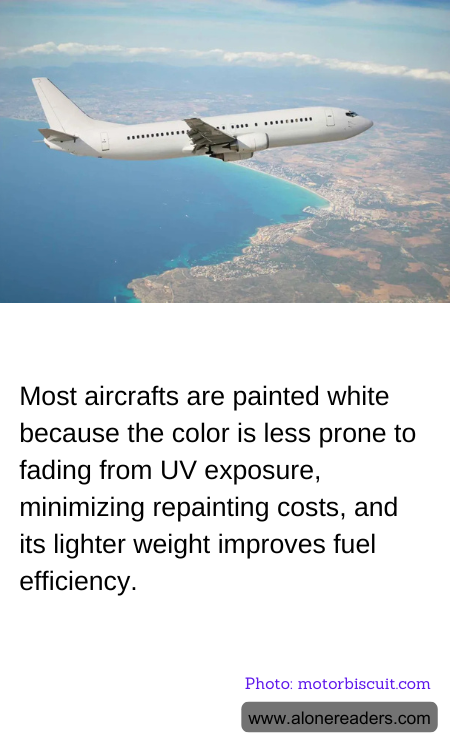
When you look up at the sky and spot an airplane soaring above, chances are it is painted white. This is not merely a coincidence or a matter of aesthetic preference. The choice of white paint for aircraft is a strategic decision influenced by several practical factors, including durability, cost-efficiency, and performance.
One of the primary reasons aircraft are painted white is due to the color's resilience against ultraviolet (UV) radiation. Airplanes are constantly exposed to the sun's rays, and UV radiation can cause colors to fade over time. White paint, however, is less susceptible to this fading effect. This is because white reflects most of the sunlight, including UV rays, rather than absorbing it. As a result, white paint maintains its appearance longer than darker colors, which can fade more quickly. This durability means that airlines can extend the intervals between repainting, significantly reducing maintenance costs.
In addition to its resistance to fading, white paint offers another economic advantage: it is lighter than darker paints. While the difference in weight might seem negligible, every pound counts in aviation. A lighter aircraft requires less fuel to operate, which is a critical consideration given the high cost of aviation fuel. By choosing white paint, airlines can improve fuel efficiency, leading to substantial savings over time. This not only benefits the airline's bottom line but also contributes to a reduction in the carbon footprint of air travel, making it a more environmentally friendly choice.
Furthermore, the use of white paint enhances safety and operational efficiency. White surfaces are more reflective, which makes them more visible in the sky and on the ground. This increased visibility is crucial for avoiding collisions and ensuring the safety of passengers and crew. Additionally, white paint makes it easier to spot any damage, oil leaks, or corrosion on the aircraft's surface, allowing for quicker and more effective maintenance checks.
While aesthetics might play a role in branding and marketing, the practical benefits of painting aircraft white are undeniable. The color's ability to withstand UV exposure, its contribution to fuel efficiency, and its role in enhancing safety make it the preferred choice for airlines around the world. As a result, the iconic image of a white airplane cruising through the sky is not just a matter of tradition but a testament to the thoughtful engineering and economic considerations that underpin modern aviation.
