More About This Card
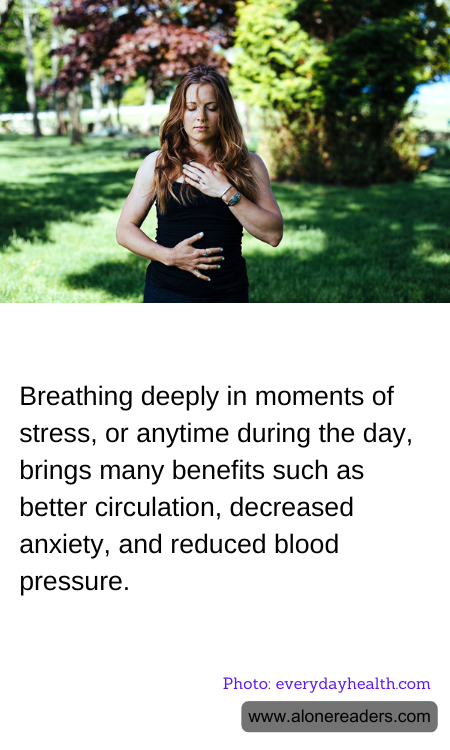
In today's fast-paced world, stress has become an almost inevitable part of daily life. Whether it's due to work pressures, personal challenges, or the constant barrage of information from digital devices, stress can take a significant toll on our physical and mental well-being. However, one simple yet powerful tool that can help mitigate the effects of stress is deep breathing. This natural, accessible practice offers numerous benefits, including improved circulation, decreased anxiety, and reduced blood pressure.
Deep breathing, often referred to as diaphragmatic or abdominal breathing, involves taking slow, deep breaths that fully engage the diaphragm. This method of breathing encourages the full exchange of oxygen, which is crucial for maintaining optimal bodily functions. When we breathe deeply, we increase the oxygen supply to our brain and muscles, which in turn enhances circulation. Improved circulation ensures that our organs and tissues receive the nutrients and oxygen they need to function efficiently, promoting overall health and vitality.
Moreover, deep breathing is a powerful tool for reducing anxiety. When we are stressed, our body's fight-or-flight response is activated, leading to shallow, rapid breathing. This type of breathing can exacerbate feelings of anxiety and panic. By consciously slowing down our breath and taking deeper inhalations, we can activate the body's parasympathetic nervous system, which promotes a state of calm and relaxation. This shift helps to alleviate anxiety, allowing us to approach stressful situations with a clearer, more focused mind.
In addition to its calming effects, deep breathing can also contribute to lowering blood pressure. Stress often leads to elevated blood pressure, which can increase the risk of heart disease and other health issues. By practicing deep breathing regularly, we can help to regulate our heart rate and blood pressure. The act of deep breathing encourages the release of tension in the body, which can lead to a reduction in blood pressure levels over time. This makes deep breathing an effective, non-invasive method for supporting cardiovascular health.
Incorporating deep breathing into our daily routine is both simple and beneficial. It can be practiced anywhere, at any time, making it an ideal tool for managing stress in the moment or as part of a regular wellness routine. Whether you're sitting at your desk, stuck in traffic, or lying in bed, taking a few minutes to focus on your breath can make a significant difference in how you feel. By prioritizing deep breathing, we can cultivate a greater sense of peace and resilience, empowering ourselves to navigate life's challenges with grace and ease.
In conclusion, deep breathing is a valuable practice that offers a multitude of health benefits. By improving circulation, reducing anxiety, and lowering blood pressure, it serves as a natural antidote to the stresses of modern life. Embracing this simple yet effective technique can lead to a healthier, more balanced lifestyle, enhancing both our physical and mental well-being.