More About This Card
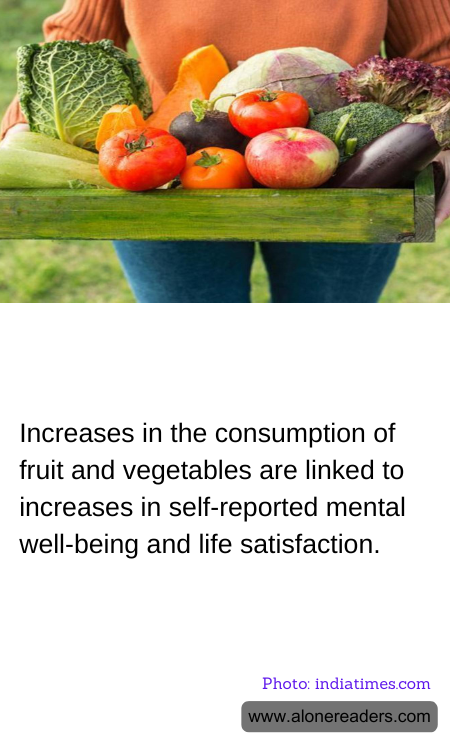
In recent years, the connection between diet and mental health has garnered significant attention, with a growing body of research suggesting that what we eat can profoundly impact our mental well-being and overall life satisfaction. Among the various dietary components, fruit and vegetables have emerged as key players in promoting mental health. Increasing the consumption of these nutrient-rich foods is linked to improvements in self-reported mental well-being and life satisfaction, offering a simple yet effective strategy for enhancing quality of life.
Fruits and vegetables are packed with essential vitamins, minerals, and antioxidants that are crucial for maintaining optimal brain function. These nutrients help reduce inflammation and oxidative stress, both of which have been associated with mental health disorders such as depression and anxiety. For instance, vitamin C, found abundantly in citrus fruits, is known to support the production of neurotransmitters like serotonin, which plays a vital role in regulating mood. Similarly, leafy greens like spinach and kale are rich in folate, a B-vitamin that has been linked to lower risks of depression.
Moreover, the fiber content in fruits and vegetables contributes to a healthy gut microbiome, which is increasingly recognized for its influence on mental health. A well-balanced gut microbiome can enhance the production of short-chain fatty acids, which have been shown to have anti-inflammatory effects and improve brain health. This gut-brain connection underscores the importance of dietary choices in maintaining mental well-being.
Beyond the biochemical benefits, the act of consuming fruits and vegetables can also promote a sense of well-being. Preparing and enjoying a colorful, varied diet can be a mindful practice, encouraging individuals to slow down and appreciate their meals. This mindfulness can lead to greater life satisfaction as individuals become more attuned to their bodies and the nourishing qualities of their food.
The positive effects of increased fruit and vegetable consumption on mental well-being are not limited to any specific age group. From children to the elderly, everyone can benefit from incorporating more of these foods into their diets. For children, a diet rich in fruits and vegetables can support cognitive development and emotional regulation. For adults, it can help manage stress and improve resilience. For the elderly, it can contribute to maintaining cognitive function and reducing the risk of mental decline.
Incorporating more fruits and vegetables into one's diet does not have to be a daunting task. Simple changes, such as adding a piece of fruit to breakfast, including a side salad with lunch, or snacking on raw vegetables, can make a significant difference. The key is to aim for variety and color, ensuring a wide range of nutrients are consumed.
In conclusion, the link between increased consumption of fruits and vegetables and improved mental well-being and life satisfaction is clear. By making these foods a staple in our diets, we can take a proactive step towards enhancing our mental health and overall quality of life. As research continues to unfold, it becomes increasingly evident that the path to a healthier mind may indeed begin on our plates.