More About This Card
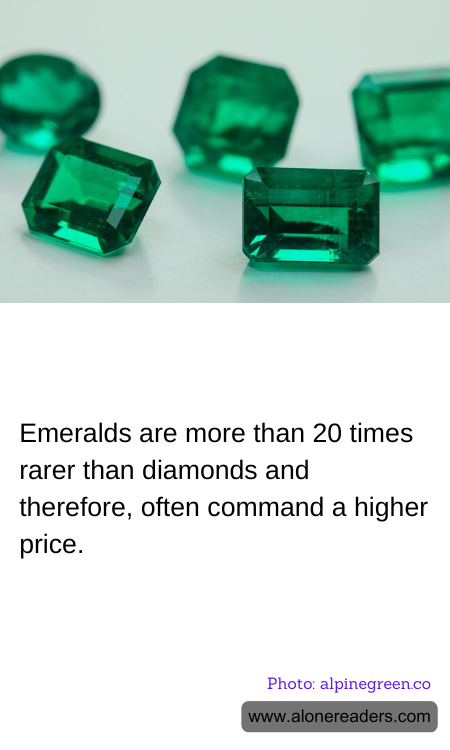
Emeralds, with their captivating green hue, have long been cherished as one of the most precious gemstones in the world. While diamonds often steal the spotlight in the realm of luxury and romance, emeralds hold a unique allure that sets them apart. One of the most intriguing aspects of emeralds is their rarity. In fact, emeralds are more than 20 times rarer than diamonds, a factor that significantly influences their value and desirability.
The rarity of emeralds can be attributed to the specific geological conditions required for their formation. These gemstones are a variety of the mineral beryl and owe their vibrant green color to trace amounts of chromium and vanadium. The formation of emeralds requires a precise combination of elements and environmental conditions, which occur only in a few locations around the world. The most renowned sources of emeralds include Colombia, Zambia, and Brazil, each producing stones with distinct characteristics. This limited geographical distribution contributes to their scarcity and, consequently, their higher market value.
In addition to their rarity, the quality of an emerald is determined by several factors, including color, clarity, cut, and carat weight. The most prized emeralds exhibit a deep, rich green color with a high degree of transparency. However, unlike diamonds, inclusions or internal flaws in emeralds are common and often accepted as part of their natural beauty. These inclusions, sometimes referred to as "jardin" (French for garden), can create unique patterns within the stone, adding to its character and appeal. The presence of these inclusions, combined with the stone's rarity, often results in emeralds commanding higher prices than diamonds of similar size and quality.
The allure of emeralds extends beyond their physical attributes. Throughout history, they have been associated with various cultural and mystical beliefs. Ancient civilizations, including the Egyptians and Incas, revered emeralds for their supposed healing properties and connections to fertility and rebirth. Cleopatra, the legendary queen of Egypt, was famously enamored with emeralds, further cementing their status as symbols of power and prestige. Today, emeralds continue to captivate collectors and enthusiasts, not only for their beauty but also for their storied past and the sense of mystery they evoke.
While diamonds may be the traditional choice for engagement rings and other fine jewelry, emeralds offer a distinctive alternative for those seeking something truly unique. Their rarity and the rich history associated with them make emeralds a timeless choice for anyone looking to invest in a gemstone that is both beautiful and meaningful. As more people become aware of the rarity and significance of emeralds, their allure is likely to grow, ensuring that these stunning green gems remain a coveted treasure for generations to come.