More About This Card
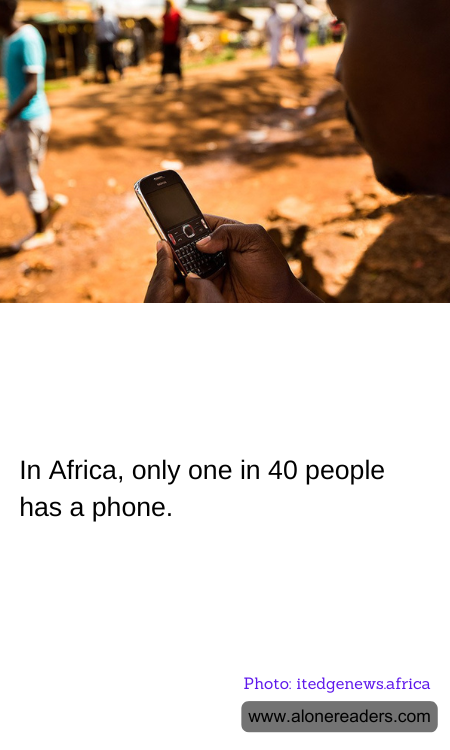
In the vast and diverse continent of Africa, the digital divide remains a significant challenge, with only one in 40 people having access to a mobile phone. This statistic highlights a critical issue in a world where connectivity is increasingly vital for economic development, education, and social interaction. The limited access to mobile phones in Africa is a multifaceted problem, influenced by economic, infrastructural, and educational barriers that need to be addressed to ensure the continent's growth and integration into the global digital economy.
One of the primary reasons for the low mobile phone penetration in Africa is the economic disparity that exists across the continent. Many African countries face high levels of poverty, which makes it difficult for individuals to afford mobile phones and the associated costs of connectivity. The cost of mobile devices, although decreasing globally, remains prohibitive for a significant portion of the population. Additionally, the cost of data and mobile services can be high, further limiting access for those who might otherwise be able to afford a basic device.
Infrastructure also plays a crucial role in this digital divide. In many rural and remote areas, the lack of telecommunications infrastructure makes it challenging to provide reliable mobile services. The absence of cell towers and the necessary technology to support mobile networks means that even if individuals have access to a phone, they may not be able to use it effectively. This lack of infrastructure is often due to the high costs and logistical challenges of building and maintaining telecommunications networks in sparsely populated or difficult-to-reach areas.
Education and digital literacy are additional factors contributing to the low rate of mobile phone ownership. In regions where education systems are underdeveloped, there is often a lack of awareness about the benefits and uses of mobile technology. Without the necessary skills to use mobile devices effectively, even those who have access to phones may not be able to leverage them for educational or economic purposes. Initiatives to improve digital literacy and integrate technology into educational curricula are essential to bridging this gap.
Despite these challenges, there are promising signs of progress. Various initiatives and partnerships between governments, non-governmental organizations, and private companies are working to increase mobile phone access and connectivity across Africa. Efforts to reduce the cost of mobile devices, expand network coverage, and improve digital literacy are gradually making a difference. Mobile technology has the potential to transform lives by providing access to information, financial services, and educational resources, which can drive economic growth and improve quality of life.
In conclusion, while the statistic that only one in 40 people in Africa has a mobile phone is concerning, it also underscores the urgent need for continued efforts to bridge the digital divide. By addressing economic, infrastructural, and educational barriers, Africa can harness the power of mobile technology to foster development and create opportunities for its people. As the continent continues to grow and evolve, ensuring that all individuals have access to the tools and resources they need to thrive in the digital age is more important than ever.