More About This Card
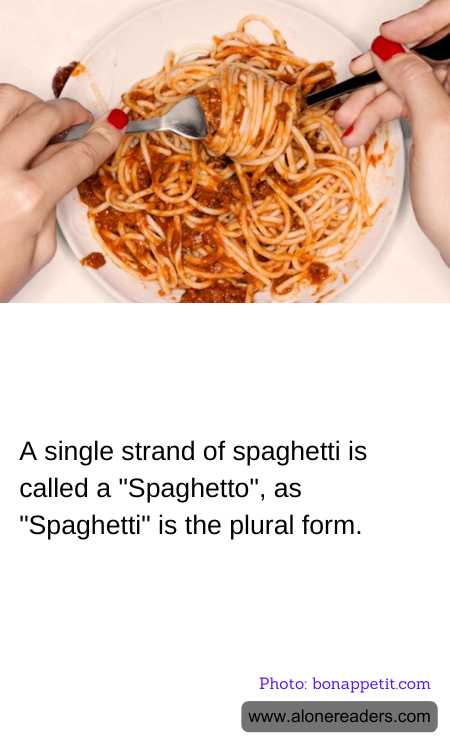
In the world of pasta, where culinary delights are as varied as they are delicious, the terminology can sometimes be as intriguing as the dishes themselves. One such fascinating tidbit is the fact that a single strand of spaghetti is called a "spaghetto." This might come as a surprise to many, as "spaghetti" is the term most commonly used to describe the beloved long, thin pasta. However, in the Italian language, "spaghetti" is actually the plural form, while "spaghetto" refers to just one strand.
The Italian language, known for its musicality and precision, often uses specific endings to denote singular and plural forms. In this case, the suffix "-i" in "spaghetti" indicates a plural noun, while the singular form ends in "-o," thus giving us "spaghetto." This linguistic nuance is a testament to the rich cultural and historical roots of Italian cuisine, where even the smallest details are given importance.
Understanding this distinction not only enriches our vocabulary but also deepens our appreciation for the cultural heritage behind the food we enjoy. Spaghetti, or rather spaghetto, has a storied history that dates back centuries. It is believed to have originated in Southern Italy, with some historians tracing its roots to the Arab introduction of dried pasta to the region. Over time, spaghetti became a staple in Italian households and eventually gained international fame.
The simplicity of spaghetti is part of its charm. A single spaghetto, when cooked to perfection, embodies the essence of Italian cooking—fresh, high-quality ingredients prepared with care and respect. Whether it's served with a classic tomato sauce, a rich Bolognese, or simply tossed with olive oil and garlic, each strand plays a crucial role in the overall texture and flavor of the dish.
For those who love to cook, knowing the term "spaghetto" can add a touch of authenticity to your culinary conversations. It’s a fun fact to share at dinner parties or while preparing a meal with friends and family. It also serves as a reminder of the importance of language in preserving cultural traditions and culinary practices.
In a world where food often transcends borders, understanding the origins and proper terminology of what we eat can foster a greater connection to the cultures from which these foods originate. So, the next time you twirl a forkful of spaghetti, take a moment to appreciate each individual spaghetto and the rich history it represents. Whether you're a seasoned chef or a curious foodie, this small piece of knowledge adds a delightful layer to the experience of enjoying one of the world's most beloved pastas.