More About This Card
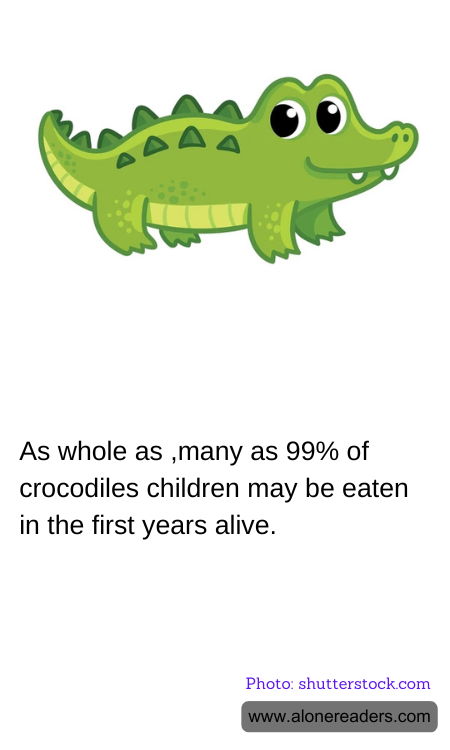
Crocodiles are among the most fascinating and ancient creatures on our planet, having roamed the Earth for millions of years. Despite their fearsome reputation as apex predators, these reptiles face significant challenges in their early life stages. Astonishingly, as many as 99% of crocodile hatchlings may fall victim to predation within their first year of life. This staggering statistic highlights the harsh realities of survival in the wild and the remarkable resilience of the species.
Crocodile mothers are known for their attentive care during the nesting period. After laying eggs, they vigilantly guard their nests against potential threats, such as other predators and environmental hazards. Once the eggs hatch, the mother assists her young by gently carrying them to the water in her mouth. However, once the hatchlings enter the water, they are largely left to fend for themselves, navigating a world filled with dangers.
The high mortality rate among young crocodiles can be attributed to several factors. Predation is the most significant threat, with a variety of animals, including birds, fish, and even other crocodiles, preying on the vulnerable hatchlings. The small size and limited mobility of the young crocodiles make them easy targets. Additionally, environmental factors such as habitat destruction and climate change can further exacerbate their chances of survival by altering their natural habitats and food sources.
Despite these challenges, the survival strategy of crocodiles is a testament to the power of nature's balance. The sheer number of eggs laid by a female crocodile, often ranging from 20 to 60, ensures that at least a few individuals will survive to adulthood. This reproductive strategy, known as "r-selection," is common among species that experience high juvenile mortality rates. It allows the species to maintain stable populations despite the odds stacked against their young.
The plight of young crocodiles serves as a poignant reminder of the delicate balance within ecosystems. While the loss of so many hatchlings may seem harsh, it plays a crucial role in maintaining the ecological equilibrium. Predators that feed on young crocodiles help control their population, preventing overpopulation and ensuring that resources are not depleted. This natural cycle underscores the importance of each species within its ecosystem and the intricate web of life that sustains biodiversity.
Efforts to conserve crocodile populations focus not only on protecting adult individuals but also on ensuring the survival of their young. Conservation initiatives often involve habitat protection, anti-poaching measures, and public education to raise awareness about the importance of these remarkable reptiles. By understanding and respecting the natural processes that govern crocodile populations, we can contribute to the preservation of these ancient creatures for future generations.
In conclusion, the survival of crocodile hatchlings is a testament to the resilience of life in the face of adversity. While the odds may seem daunting, the continuation of the species relies on the delicate interplay of natural forces. By appreciating and protecting these remarkable creatures, we can ensure that crocodiles continue to thrive in the wild, maintaining their vital role in the ecosystems they inhabit.