More About This Card
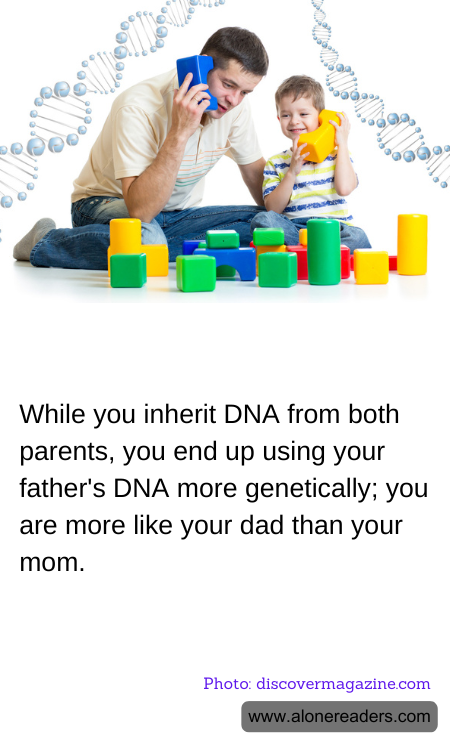
When it comes to understanding our genetic makeup, the common belief is that we inherit an equal mix of DNA from both our parents. While this is true in terms of the sheer amount of genetic material, recent studies have suggested that we might actually use more of our father's DNA than our mother's in certain aspects. This intriguing phenomenon sheds light on the complex nature of genetic inheritance and how it influences who we are.
The process begins at conception, where we receive 23 chromosomes from each parent, making up the 46 chromosomes in our cells. These chromosomes contain genes that dictate everything from eye color to susceptibility to certain diseases. However, not all genes are expressed equally. Some genes are imprinted, meaning they are marked to be active or inactive depending on whether they come from the mother or the father. This genetic imprinting can lead to a bias in the expression of paternal genes over maternal ones.
Research has shown that in some cases, paternal genes are more actively expressed in the offspring. This phenomenon is particularly evident in certain developmental processes and brain functions. For example, a study conducted on mice found that genes from the father were more influential in the development of the brain's hypothalamus, a region responsible for regulating various essential functions such as hunger, thirst, and emotional responses. While these findings are primarily based on animal studies, they offer a glimpse into the potential mechanisms at play in humans as well.
Moreover, the concept of "genetic dominance" plays a role in this dynamic. Some traits are controlled by dominant genes, which can overshadow the expression of recessive genes. If a dominant gene is inherited from the father, it may be more likely to manifest in the offspring, further contributing to the perception that we are more like our dads. This doesn't mean that maternal genes are less important; rather, it highlights the intricate dance of genetic interactions that shape our identities.
It's important to note that while paternal influence might be more pronounced in certain areas, maternal genes are equally crucial in other aspects of development and health. For instance, mitochondrial DNA, which is passed down exclusively from mothers, plays a vital role in energy production within cells. This maternal contribution is essential for overall cellular function and vitality.
In conclusion, while we inherit DNA from both parents, the expression and influence of these genes can vary, sometimes favoring paternal genes in specific contexts. This fascinating interplay underscores the complexity of genetics and reminds us that our identities are a blend of both parental contributions. As research continues to unravel the mysteries of genetic inheritance, we gain a deeper appreciation for the intricate tapestry of life that makes each of us unique.