More About This Card
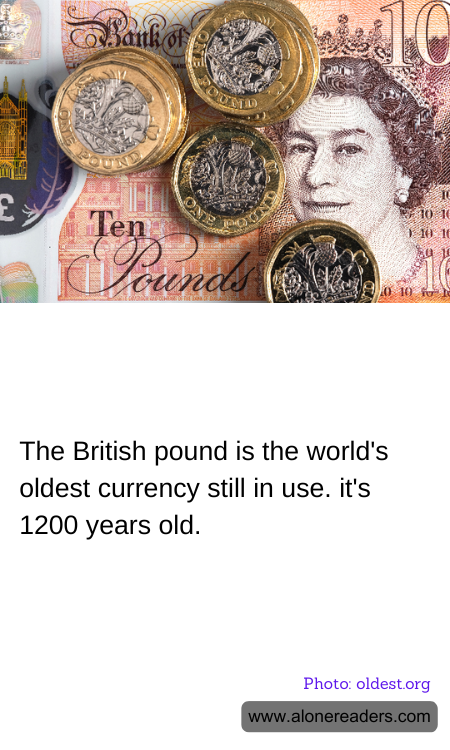
The British pound, often symbolized by the familiar "£," holds the distinguished title of being the world's oldest currency still in use today. With a history that stretches back over 1,200 years, the pound is not just a medium of exchange but a symbol of continuity and resilience in the ever-evolving landscape of global finance.
The origins of the British pound can be traced back to the Anglo-Saxon era, around the year 775 AD. During this time, King Offa of Mercia introduced the silver penny, which became the foundation of the pound. The term "pound" itself is derived from the Latin word "libra," meaning weight or balance, reflecting the currency's initial basis in a pound of silver. This early system laid the groundwork for the currency's enduring legacy, as the pound evolved through various forms and denominations over the centuries.
Throughout its long history, the British pound has witnessed and adapted to monumental changes. From the Norman Conquest to the Industrial Revolution, and through both World Wars, the pound has been a steadfast presence. Its resilience is a testament to the economic and political stability of the United Kingdom, even as it navigated the complexities of empire, global trade, and modern financial systems.
The pound's journey has not been without its challenges. The transition from the silver standard to the gold standard in the 19th century marked a significant shift in its valuation and international standing. The 20th century brought further trials, including the devaluation of the pound in 1967 and the UK's decision to remain outside the Eurozone, choosing instead to retain its historic currency. Despite these hurdles, the pound has maintained its status as one of the world's leading currencies, a testament to its adaptability and the enduring trust it commands.
In today's digital age, the British pound continues to evolve. The introduction of polymer banknotes and the increasing use of digital transactions reflect the currency's ability to adapt to modern demands while preserving its rich heritage. The pound remains a key player in global finance, influencing markets and economies far beyond the shores of the United Kingdom.
The story of the British pound is not just one of economic significance but also of cultural identity. It is a symbol of the UK's rich history, its resilience, and its ability to adapt to change. As the world continues to evolve, the pound stands as a reminder of the enduring power of tradition and the importance of innovation in shaping the future. Whether in the hands of a child receiving their first pocket money or a trader on the bustling floors of the London Stock Exchange, the British pound remains a cherished and vital part of daily life, connecting the past with the present and future.