More About This Card
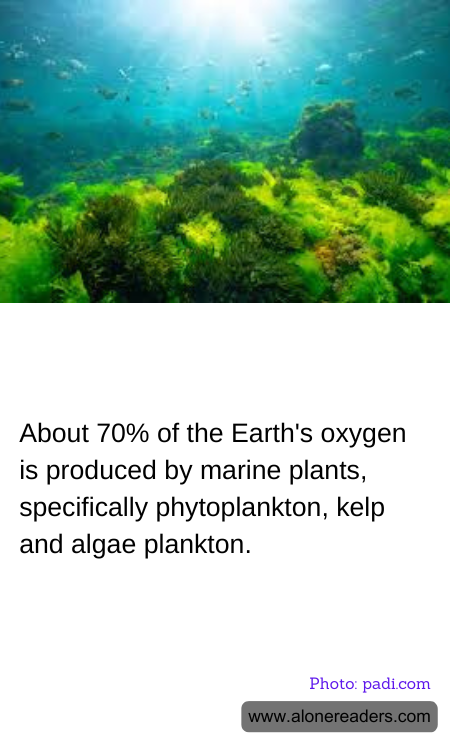
The Earth's atmosphere is a delicate balance of gases that sustain life, with oxygen being one of the most crucial components. While many people might assume that the lush forests and sprawling jungles are the primary sources of oxygen, the truth is that about 70% of the Earth's oxygen is produced by marine plants. These unsung heroes of the ocean include phytoplankton, kelp, and algae plankton, which play a vital role in maintaining the planet's oxygen levels and supporting marine ecosystems.
Phytoplankton, microscopic organisms that float near the ocean's surface, are the most significant contributors to oxygen production. Despite their tiny size, they are incredibly efficient at photosynthesis, the process by which plants convert sunlight into energy, releasing oxygen as a byproduct. Phytoplankton are the foundation of the marine food web, serving as the primary food source for a wide range of sea creatures, from the smallest zooplankton to the largest whales. Their ability to produce oxygen is not only essential for marine life but also for terrestrial life, as the oxygen they release into the atmosphere is carried by winds across the globe.
Kelp, a type of large brown algae, also plays a significant role in oxygen production. Found in underwater forests along coastlines, kelp grows rapidly, sometimes up to two feet per day, and is highly efficient at photosynthesis. These underwater forests provide habitat and food for a diverse array of marine species, contributing to the biodiversity of ocean ecosystems. Kelp forests also help to mitigate climate change by absorbing carbon dioxide, a greenhouse gas, from the atmosphere.
Algae plankton, which includes various types of algae, further contribute to the ocean's oxygen output. These organisms thrive in a range of aquatic environments, from freshwater lakes to salty seas, and are adept at photosynthesis. Algae plankton not only produce oxygen but also serve as a crucial food source for many marine organisms. Their presence in the ocean helps to maintain the balance of marine ecosystems and supports the health of the planet.
The importance of these marine plants cannot be overstated. They are vital to the health of the Earth's atmosphere and the stability of marine ecosystems. However, they face numerous threats, including pollution, climate change, and ocean acidification, which can disrupt their ability to produce oxygen and support marine life. Protecting these organisms and their habitats is essential for maintaining the balance of our planet's ecosystems and ensuring the continued availability of oxygen for all living beings.
In conclusion, while terrestrial plants are often celebrated for their role in oxygen production, it is the marine plants—phytoplankton, kelp, and algae plankton—that are the true powerhouses of oxygen generation. Their contribution to the Earth's atmosphere is indispensable, and their preservation is crucial for the health of our planet. As we continue to explore and understand the complexities of ocean ecosystems, it is imperative that we recognize and protect the vital role these marine plants play in sustaining life on Earth.