More About This Card
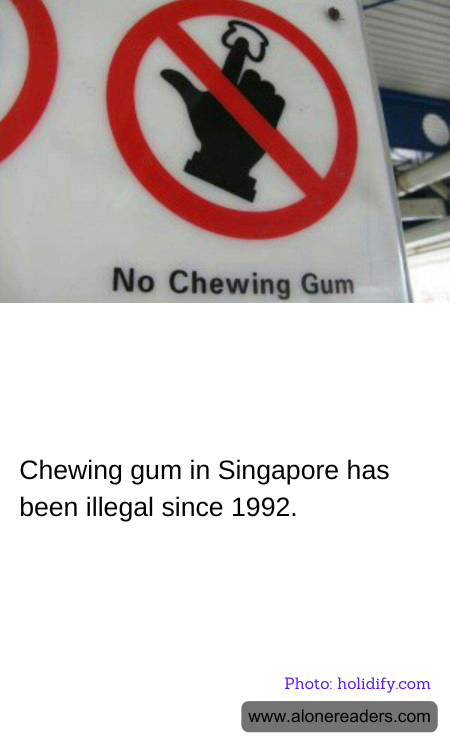
In 1992, Singapore implemented a ban on chewing gum that has since become one of the most talked-about examples of the city-state's strict regulatory environment. This decision was part of a broader initiative to maintain public cleanliness and order, reflecting Singapore's commitment to creating a pristine urban landscape. The ban was introduced by then-Prime Minister Lee Kuan Yew, who was determined to address the growing problem of gum littering, which was causing significant maintenance issues, particularly in the Mass Rapid Transit (MRT) system.
The decision to outlaw chewing gum was not made lightly. Prior to the ban, Singapore faced challenges with gum being improperly disposed of, leading to costly clean-up operations. Gum stuck on sidewalks, under tables, and in public transportation systems was not only unsightly but also posed a maintenance nightmare. The MRT, a critical component of Singapore's public transportation network, was particularly affected, with gum being stuck on doors and sensors, causing delays and malfunctions. The ban was thus seen as a necessary step to protect public infrastructure and maintain the high standards of cleanliness that Singapore is known for.
Despite its initial controversy, the chewing gum ban has been largely successful in achieving its goals. Singapore's streets and public spaces are renowned for their cleanliness, a testament to the effectiveness of the policy. Over the years, the ban has been slightly relaxed. In 2004, an exception was made for therapeutic gum, such as nicotine gum, which can be purchased from pharmacies with a prescription. This amendment was part of a free trade agreement with the United States, reflecting Singapore's willingness to adapt its policies in response to international relations and public health considerations.
The chewing gum ban has become a symbol of Singapore's broader approach to governance, which emphasizes strict regulations and enforcement to achieve societal goals. While some may view the ban as an example of overregulation, many Singaporeans appreciate the clean and orderly environment it helps maintain. The policy has also sparked discussions about the balance between individual freedoms and community welfare, a topic that remains relevant in many societies around the world.
In conclusion, the ban on chewing gum in Singapore is more than just a quirky regulation; it is a reflection of the city-state's commitment to cleanliness and order. While it may seem unusual to outsiders, the policy has played a significant role in shaping the urban environment of Singapore, contributing to its reputation as one of the cleanest cities in the world. As Singapore continues to evolve, the chewing gum ban remains a fascinating case study in urban management and public policy.