More About This Card
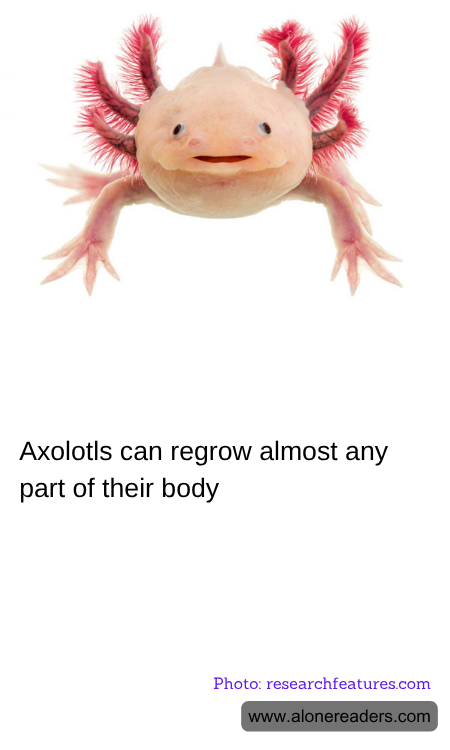
The axolotl, a unique and captivating amphibian native to the lakes of Mexico, has long fascinated scientists and nature enthusiasts alike. Known for its extraordinary regenerative abilities, the axolotl can regrow almost any part of its body, a trait that sets it apart from most other creatures on Earth. This remarkable capability not only intrigues researchers but also holds potential implications for medical science and regenerative medicine.
Unlike humans and many other animals, axolotls can regenerate entire limbs, spinal cords, hearts, and even parts of their brains. This process begins almost immediately after an injury occurs. When an axolotl loses a limb, for example, cells at the site of the injury revert to a more primitive, stem cell-like state. These cells then multiply and differentiate into the various cell types needed to form a new, fully functional limb. This regenerative process is not only efficient but also incredibly precise, allowing the axolotl to regain full use of the regrown body part.
The axolotl's regenerative prowess is not just limited to its limbs. These amphibians can also repair damage to their spinal cords, a feat that is particularly impressive given the complexity of the nervous system. In addition, axolotls can regenerate parts of their hearts and even their eyes, showcasing a level of biological resilience that is rare in the animal kingdom. This ability to regenerate complex tissues and organs has made the axolotl a subject of intense scientific study, as researchers seek to understand the underlying mechanisms that enable such regeneration.
The potential applications of axolotl research are vast, particularly in the field of regenerative medicine. By studying how axolotls regenerate their tissues, scientists hope to uncover insights that could lead to breakthroughs in human medicine. For instance, understanding the genetic and molecular pathways that facilitate axolotl regeneration could inform the development of therapies for spinal cord injuries, heart disease, and other conditions where tissue regeneration is needed. The axolotl's ability to avoid scarring during the healing process is another area of interest, as it could lead to improved treatments for wound healing in humans.
Despite their incredible abilities, axolotls face significant threats in the wild. Habitat destruction, pollution, and the introduction of invasive species have led to a dramatic decline in their natural populations. Conservation efforts are underway to protect these remarkable creatures and their habitats, ensuring that they continue to thrive and inspire future generations.
In conclusion, the axolotl's ability to regrow almost any part of its body is a testament to the wonders of nature and the potential for scientific discovery. As researchers continue to unravel the mysteries of axolotl regeneration, there is hope that these insights will one day translate into medical advancements that benefit humans. In the meantime, the axolotl remains a symbol of resilience and a reminder of the incredible diversity of life on our planet.