More About This Card
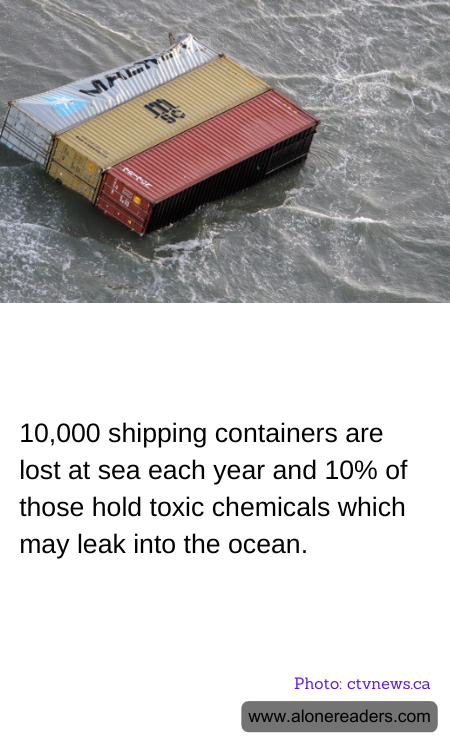
Every year, the vast oceans that cover our planet become the final resting place for approximately 10,000 shipping containers. These steel giants, which are essential to global trade, often find themselves overboard due to rough seas, human error, or structural failures. While the loss of these containers represents a significant economic setback, the environmental implications are even more concerning, especially when considering that around 10% of these containers carry toxic chemicals.
The ocean is a delicate ecosystem, home to countless species that rely on its balance for survival. When containers filled with hazardous materials are lost at sea, they pose a significant threat to marine life. The chemicals can leak from their containers, dispersing into the water and potentially causing harm to fish, coral reefs, and other marine organisms. These substances can disrupt reproductive systems, poison food sources, and even lead to the death of marine life, which in turn affects the entire food chain.
Moreover, the impact of these toxic leaks is not confined to the ocean. Humans are also at risk, as these chemicals can enter the food supply through contaminated seafood. The consumption of such seafood can lead to health issues, including neurological and developmental problems, particularly in vulnerable populations such as children and pregnant women. Additionally, the chemicals can wash ashore, affecting coastal communities and ecosystems.
Efforts to mitigate the loss of shipping containers and their hazardous contents are ongoing. Shipping companies are investing in better tracking technologies and more robust container designs to prevent losses. International regulations are also being strengthened to ensure that containers are properly secured and that ships are equipped to handle adverse weather conditions. However, the sheer scale of global shipping means that accidents will inevitably occur, and the focus must also be on rapid response and cleanup efforts when containers are lost.
Public awareness and advocacy play a crucial role in addressing this issue. By understanding the potential dangers posed by lost shipping containers, individuals can support policies and practices that prioritize environmental protection. Encouraging sustainable shipping practices and supporting organizations dedicated to ocean conservation can help reduce the risk of toxic leaks and preserve the health of our oceans.
In conclusion, while the loss of shipping containers at sea is a complex problem tied to the demands of global trade, it is crucial to address the environmental risks associated with these incidents. By taking proactive measures and fostering a culture of responsibility and sustainability, we can work towards a future where the oceans remain a safe and thriving habitat for all its inhabitants.