More About This Card
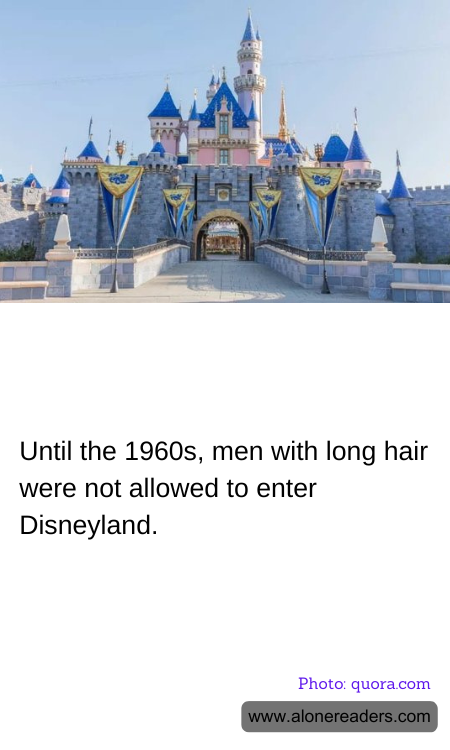
In the early days of Disneyland, the "Happiest Place on Earth" was not as inclusive as it is today. Until the late 1960s, Disneyland enforced a strict dress code that prohibited men with long hair from entering the park. This policy reflected broader societal norms and attitudes of the time, which often associated long hair on men with rebellion and counterculture movements.
Walt Disney, the visionary behind Disneyland, was known for his desire to create a family-friendly environment that upheld traditional values. The park's dress code was part of this vision, aiming to maintain a wholesome atmosphere that aligned with the conservative standards of the era. During the 1950s and 1960s, long hair on men was often linked to the burgeoning counterculture, which was seen as challenging the status quo. As a result, Disneyland's policy was a reflection of the mainstream cultural expectations of the time.
The policy was not without controversy. As the 1960s progressed, societal norms began to shift, and the counterculture movement gained momentum. Long hair became a symbol of individuality and freedom, embraced by many young people as a form of self-expression. The rigid dress code at Disneyland began to seem out of step with the changing times, leading to criticism and calls for change. Many argued that the policy was discriminatory and did not align with the park's image as a place of joy and acceptance for all.
In response to the evolving cultural landscape, Disneyland eventually relaxed its dress code. By the late 1960s, the park began to allow men with long hair to enter, reflecting a broader shift towards more inclusive and accepting attitudes. This change was part of a larger trend within the entertainment industry and society at large, as traditional norms were challenged and redefined.
Today, Disneyland is known for its commitment to diversity and inclusion, welcoming visitors from all walks of life. The park's history of exclusion based on appearance serves as a reminder of how societal values can evolve over time. It also highlights the importance of adapting to cultural changes to ensure that spaces like Disneyland remain welcoming and enjoyable for everyone.
The story of Disneyland's dress code is a fascinating glimpse into the cultural dynamics of the past. It underscores the power of societal norms in shaping policies and the potential for change when those norms are questioned. As Disneyland continues to enchant visitors from around the world, its journey from exclusion to inclusion stands as a testament to the enduring spirit of progress and acceptance.