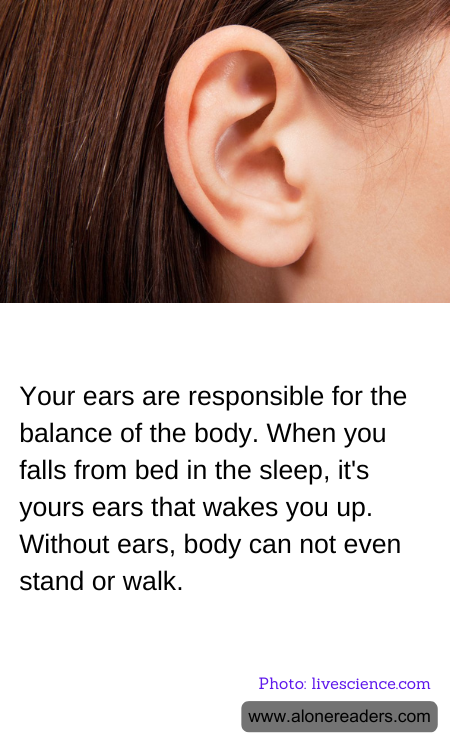
The human body is a marvel of biological engineering, with each part playing a crucial role in maintaining overall health and functionality. Among these, the ears are often underestimated, primarily recognized for their role in hearing. However, their contribution extends far beyond auditory functions; they are integral to maintaining balance and spatial orientation, which are essential for standing, walking, and even waking up when we fall from bed during sleep.
The inner ear houses the vestibular system, a complex structure that includes the semicircular canals and otolith organs. These components are filled with fluid and lined with tiny hair cells that detect movement and changes in head position. When you move, the fluid shifts, bending the hair cells and sending signals to the brain about your body's orientation. This intricate system allows you to maintain balance and coordination, enabling you to perform everyday activities like walking, running, and even standing still without falling over.
When you fall from bed during sleep, it is often the vestibular system that alerts your brain to the sudden change in position. This triggers a rapid response, waking you up and allowing you to react, potentially preventing injury. The ears' ability to detect such changes is a testament to their critical role in maintaining equilibrium and ensuring safety, even when we are not consciously aware of our surroundings.
Without the proper functioning of the ears, the body's ability to balance is severely compromised. Individuals with vestibular disorders often experience dizziness, vertigo, and difficulties with coordination, which can significantly impact their quality of life. In extreme cases, the inability to maintain balance can make simple tasks like standing or walking nearly impossible, highlighting the indispensable role of the ears in our daily lives.
In addition to their role in balance, the ears also contribute to our sense of spatial awareness. This is crucial for navigating the world around us, allowing us to move confidently and avoid obstacles. The ears work in conjunction with other sensory systems, such as vision and proprioception, to create a comprehensive understanding of our environment and our place within it.
In conclusion, while the ears are often associated with hearing, their role in maintaining balance and spatial orientation is equally vital. They ensure that we can stand, walk, and react to changes in our environment, even when we are asleep. Understanding and appreciating the multifaceted functions of the ears can lead to a greater awareness of their importance in our overall health and well-being.
