More About This Card
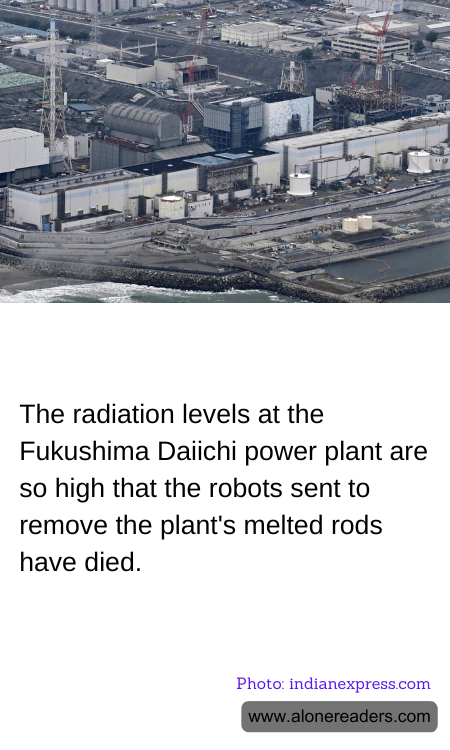
The Fukushima Daiichi nuclear disaster, which occurred in March 2011 following a devastating earthquake and tsunami, remains one of the most challenging nuclear incidents in history. Over a decade later, the site continues to pose significant challenges, particularly in the removal of melted nuclear fuel rods. The radiation levels at the plant are so intense that even advanced robotic technology struggles to withstand the environment, with many robots succumbing to the harsh conditions before completing their tasks.
The primary issue at Fukushima Daiichi is the removal of the melted fuel rods, a critical step in decommissioning the plant and ensuring long-term safety. These rods, which melted during the initial disaster, are located in areas with extremely high radiation levels. Human workers cannot safely access these areas, necessitating the use of robots designed to withstand radiation and perform complex tasks. However, the radiation levels are so high that even these specially designed robots have a limited operational lifespan.
Robots deployed at Fukushima have been equipped with advanced technology to navigate the hazardous environment, including cameras, sensors, and mechanical arms capable of manipulating objects. Despite these innovations, the radiation quickly degrades their electronic components and wiring, causing them to fail. This has led to a cycle of deploying robots, gathering as much data and performing as many tasks as possible before they cease functioning, and then sending in replacements.
The failure of robots at Fukushima highlights the formidable challenges of nuclear decommissioning in high-radiation environments. It underscores the need for continued innovation in robotics and materials science to develop machines that can better withstand such conditions. Researchers and engineers are working on creating more robust robots with improved radiation shielding and more durable components. These efforts are crucial not only for Fukushima but also for future incidents where human access is impossible.
Despite the setbacks, progress is being made. Each robot deployment provides valuable data that informs the design of subsequent models, gradually improving their resilience and capabilities. The lessons learned at Fukushima are contributing to a broader understanding of how to manage nuclear disasters and decommission plants safely.
The situation at Fukushima Daiichi serves as a stark reminder of the long-term consequences of nuclear disasters and the importance of preparedness and innovation in addressing them. While the challenges are significant, the ongoing efforts to overcome them demonstrate a commitment to safety and environmental stewardship. As technology continues to advance, there is hope that more effective solutions will emerge, allowing for the safe and efficient decommissioning of nuclear sites worldwide.