More About This Card
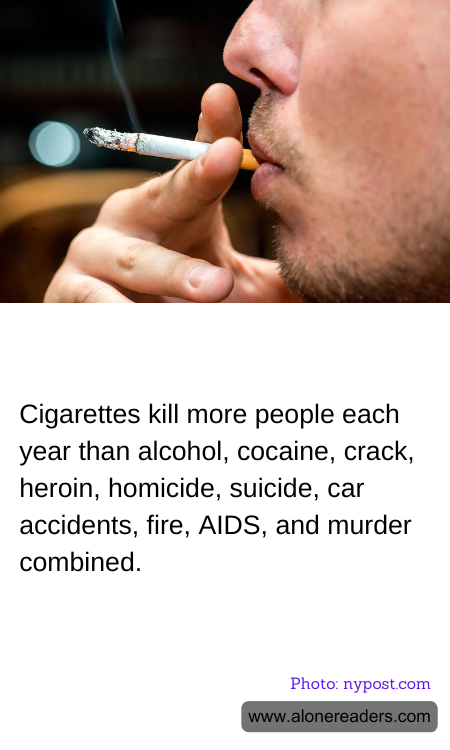
Cigarettes have long been a staple in discussions about public health due to their profound impact on mortality rates worldwide. Despite the well-documented dangers of smoking, cigarettes continue to claim more lives annually than a staggering combination of other causes, including alcohol, cocaine, crack, heroin, homicide, suicide, car accidents, fire, AIDS, and murder. This alarming statistic underscores the urgent need for continued education and intervention to reduce smoking rates globally.
The primary reason cigarettes are so deadly lies in the myriad of harmful substances they contain. Tobacco smoke is a toxic cocktail of over 7,000 chemicals, many of which are carcinogenic. These substances contribute to a range of health issues, most notably lung cancer, which remains the leading cause of cancer-related deaths. However, the dangers of smoking extend far beyond cancer. Cigarette smoking is a major risk factor for heart disease, stroke, chronic obstructive pulmonary disease (COPD), and numerous other health conditions. The cumulative effect of these diseases results in a death toll that far surpasses that of other well-known causes.
One of the most concerning aspects of cigarette-related deaths is their preventability. Unlike many diseases that are influenced by genetic or environmental factors beyond an individual's control, smoking is a modifiable risk factor. Quitting smoking can significantly reduce the risk of developing smoking-related diseases, even for those who have smoked for many years. Public health campaigns have made strides in reducing smoking rates, but the addictive nature of nicotine makes quitting a formidable challenge for many individuals.
Efforts to curb smoking-related deaths have included a variety of strategies, from increasing taxes on tobacco products to implementing strict advertising bans and graphic warning labels on cigarette packaging. These measures have been effective in reducing smoking rates in many countries, but the battle is far from over. The tobacco industry continues to find ways to market its products, often targeting younger demographics to ensure a new generation of smokers.
Education remains a critical component in the fight against smoking. By raising awareness about the dangers of cigarettes and providing resources for those looking to quit, society can work towards reducing the prevalence of smoking and its associated health risks. Support systems, such as counseling and nicotine replacement therapies, have proven effective in helping individuals quit smoking and should be made widely accessible.
In conclusion, the staggering number of deaths caused by cigarettes each year highlights the need for continued vigilance and action. While progress has been made, the fight against smoking is ongoing. By prioritizing education, support, and policy measures, we can hope to see a future where cigarettes no longer hold the grim title of the leading cause of preventable death.