More About This Card
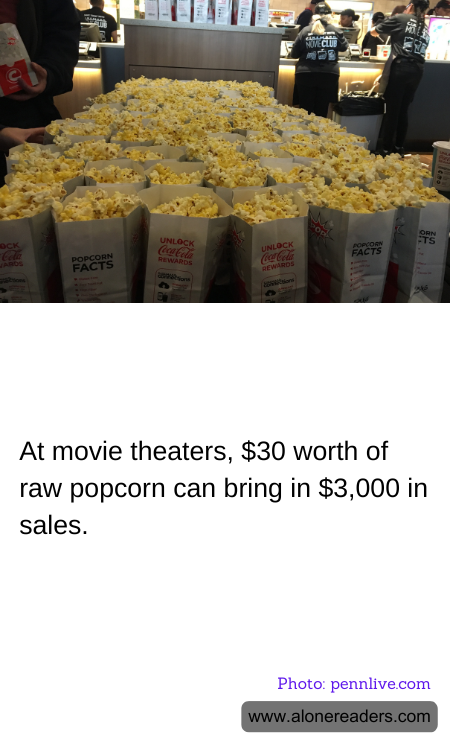
In the world of cinema, where the magic of storytelling unfolds on the big screen, there exists another kind of magic that happens behind the concession stand. It's a transformation that turns a humble kernel of corn into a golden opportunity for theaters. The economics of popcorn at movie theaters is a fascinating tale of how $30 worth of raw popcorn can be transformed into $3,000 in sales, illustrating the power of strategic pricing and consumer behavior.
Popcorn, a staple of the movie-going experience, is more than just a snack; it's a tradition. The aroma of freshly popped corn wafting through the air is as much a part of the cinema experience as the film itself. The allure of popcorn is undeniable, and theaters have long capitalized on this by offering it at a premium price. While the raw materials are inexpensive, the markup on popcorn is substantial, making it one of the most profitable items sold at the concession stand.
The journey from kernel to cash begins with bulk purchases. Theaters buy raw popcorn in large quantities, often at a cost of around $30 for a substantial amount. This raw popcorn is then popped and packaged into various sizes, from small bags to large tubs, each priced to maximize profit. The cost of popping and packaging is minimal compared to the potential revenue generated from sales. This is where the magic happens: a seemingly modest investment in raw materials can yield thousands of dollars in sales.
The pricing strategy for popcorn is a carefully crafted art. Theaters understand that while ticket sales are a significant revenue stream, the real profits often come from concessions. By pricing popcorn at a premium, theaters can offset the costs of running the establishment and even compensate for lower ticket prices during off-peak times. The high markup on popcorn is justified by the unique experience it provides, as well as the convenience of enjoying a snack while watching a film.
Moreover, the psychology of moviegoers plays a crucial role in this equation. The immersive environment of a theater, combined with the sensory appeal of popcorn, creates a perfect storm for impulse buying. Moviegoers are often willing to pay more for the convenience and enjoyment of having popcorn during a film, making it a lucrative offering for theaters.
In conclusion, the transformation of $30 worth of raw popcorn into $3,000 in sales is a testament to the power of strategic pricing and consumer psychology. It highlights the importance of concessions in the business model of movie theaters and underscores the enduring appeal of popcorn as a quintessential part of the cinema experience. As long as there are movies to watch, there will be popcorn to enjoy, and theaters will continue to turn kernels into cash.