More About This Card
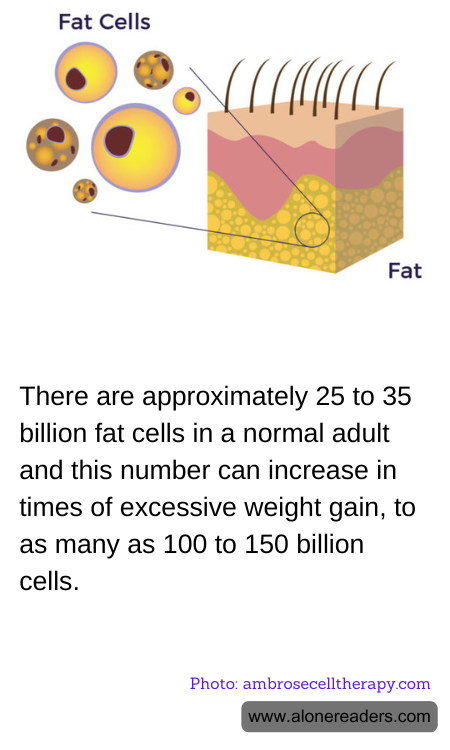
In the intricate world of human biology, fat cells, or adipocytes, play a crucial role in energy storage and regulation. A typical adult body contains approximately 25 to 35 billion fat cells. These cells are not just passive storage units; they are dynamic entities that respond to the body's energy needs and environmental cues. However, in times of excessive weight gain, the number of fat cells can increase dramatically, reaching as many as 100 to 150 billion. This remarkable adaptability of fat cells is a testament to the body's ability to manage energy resources, but it also poses challenges in the context of obesity and weight management.
Fat cells are primarily responsible for storing energy in the form of triglycerides, which can be mobilized when the body requires fuel. This storage capability is essential for survival, especially during periods of food scarcity. However, in modern societies where food is abundant, the body's natural inclination to store excess energy can lead to an increase in both the size and number of fat cells. When an individual gains weight, existing fat cells expand to accommodate the surplus energy. If the energy intake continues to exceed expenditure, new fat cells are generated in a process known as adipogenesis.
The increase in fat cell number during excessive weight gain is significant because once fat cells are created, they do not disappear. Even with weight loss, the number of fat cells remains constant; they merely shrink in size. This persistence of fat cells can make long-term weight management challenging, as the body retains its capacity to store large amounts of energy. This biological mechanism underscores the importance of maintaining a balanced diet and regular physical activity to prevent the excessive proliferation of fat cells.
Understanding the behavior of fat cells is crucial in addressing the global obesity epidemic. While genetics play a role in determining an individual's propensity to gain weight, lifestyle factors such as diet and exercise are pivotal in managing fat cell dynamics. Encouraging healthy eating habits and regular physical activity from a young age can help regulate the number and size of fat cells, reducing the risk of obesity-related health issues.
In conclusion, the body's ability to increase the number of fat cells in response to excessive weight gain highlights the complexity of energy regulation. While this adaptability is a survival advantage, it also presents challenges in the modern world where caloric excess is common. By fostering a deeper understanding of fat cell biology and promoting healthy lifestyle choices, individuals can better manage their weight and overall health, ensuring that their body's energy storage system remains in balance.