More About This Card
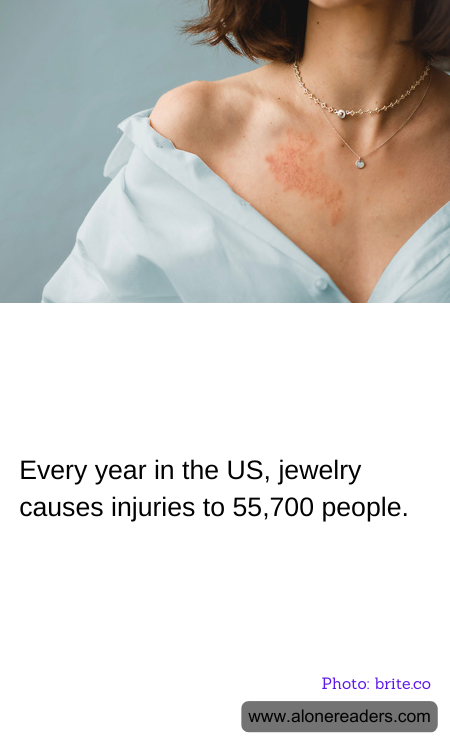
In the United States, jewelry is often seen as a symbol of beauty, status, and personal expression. However, beneath the glittering allure lies a surprising statistic: every year, jewelry is responsible for causing injuries to approximately 55,700 people. This figure highlights an often-overlooked aspect of wearing and handling jewelry, underscoring the importance of awareness and safety.
Jewelry-related injuries can occur in a variety of ways, ranging from minor irritations to more severe accidents. One of the most common issues is skin irritation or allergic reactions, often caused by metals such as nickel, which is frequently used in jewelry manufacturing. For individuals with sensitive skin, prolonged exposure to such metals can lead to rashes, itching, and discomfort. To mitigate these risks, consumers are encouraged to opt for hypoallergenic materials or ensure that their jewelry is coated with a protective layer.
Another prevalent cause of injury is entanglement. Necklaces, bracelets, and rings can easily become caught in machinery, clothing, or even hair, leading to cuts, bruises, or more serious injuries. This is particularly concerning for individuals who work in environments where machinery is present or for children who may not be aware of the potential dangers. To prevent such incidents, it is advisable to remove jewelry during activities that involve physical exertion or when operating machinery.
In addition to these risks, jewelry can also pose a choking hazard, especially for young children. Small parts, such as beads or clasps, can detach and be accidentally ingested, leading to potentially life-threatening situations. Parents and caregivers should be vigilant in keeping small jewelry items out of reach of children and ensuring that any jewelry worn by children is age-appropriate and securely fastened.
Moreover, the improper handling of jewelry can lead to injuries. Sharp edges or poorly finished pieces can cause cuts or scratches, while heavy or oversized jewelry can strain muscles and joints, particularly in the neck and wrists. It is essential for consumers to inspect their jewelry regularly for any signs of wear and tear and to handle each piece with care.
While jewelry remains a cherished accessory for many, it is crucial to recognize the potential hazards it can present. By taking simple precautions, such as choosing the right materials, being mindful of the environment in which jewelry is worn, and ensuring proper maintenance, individuals can enjoy their adornments safely. Awareness and education are key in reducing the number of jewelry-related injuries, allowing everyone to appreciate the beauty of their pieces without compromising their well-being.