More About This Card
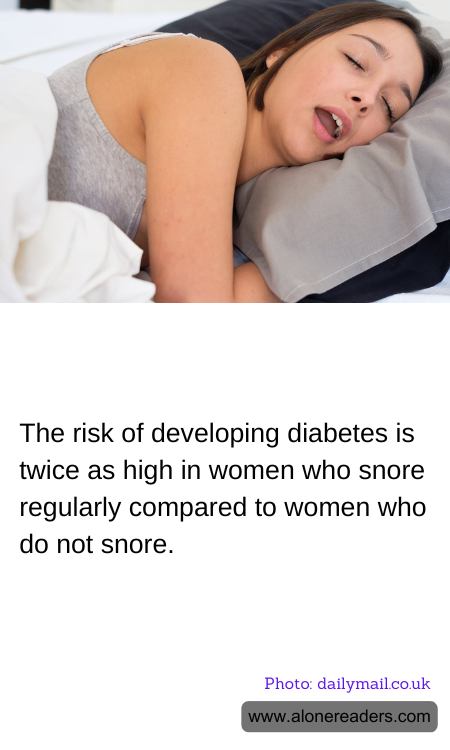
Snoring is often dismissed as a mere nighttime nuisance, but recent studies suggest it could be a significant health indicator, particularly for women. Research has shown that women who snore regularly are at twice the risk of developing diabetes compared to their non-snoring counterparts. This finding highlights the importance of understanding the potential health implications of snoring, which is often overlooked as a benign condition.
Snoring occurs when the flow of air through the mouth and nose is partially obstructed during sleep. While it is commonly associated with men, many women also experience this condition. The link between snoring and diabetes may be rooted in the way snoring affects sleep quality. Snoring can be a symptom of sleep apnea, a disorder characterized by repeated interruptions in breathing during sleep. These interruptions can lead to fragmented sleep, reducing the overall quality of rest. Poor sleep quality has been linked to a range of health issues, including insulin resistance, which is a precursor to diabetes.
The relationship between snoring and diabetes risk in women is particularly concerning because women often experience different symptoms and health outcomes than men. Hormonal differences, particularly during menopause, can exacerbate sleep disorders and metabolic changes, increasing the risk of developing diabetes. Moreover, women may be less likely to seek treatment for snoring, either due to social stigmas or a lack of awareness about the potential health risks. This can lead to a delay in diagnosis and management of both snoring and its associated health conditions.
Addressing snoring and its underlying causes can be a crucial step in reducing the risk of diabetes. Lifestyle changes such as maintaining a healthy weight, avoiding alcohol before bedtime, and sleeping on one's side can help reduce snoring. For those with more severe cases, medical interventions such as continuous positive airway pressure (CPAP) therapy or surgery may be necessary. Additionally, regular health check-ups that include screenings for sleep disorders and diabetes can aid in early detection and management.
Raising awareness about the link between snoring and diabetes risk is essential. Women should be encouraged to discuss their sleep patterns with healthcare providers and seek appropriate evaluations if they experience regular snoring. By understanding the potential health implications of snoring, women can take proactive steps to protect their health and reduce their risk of developing diabetes. This awareness can lead to better health outcomes and improved quality of life for women who snore.