More About This Card
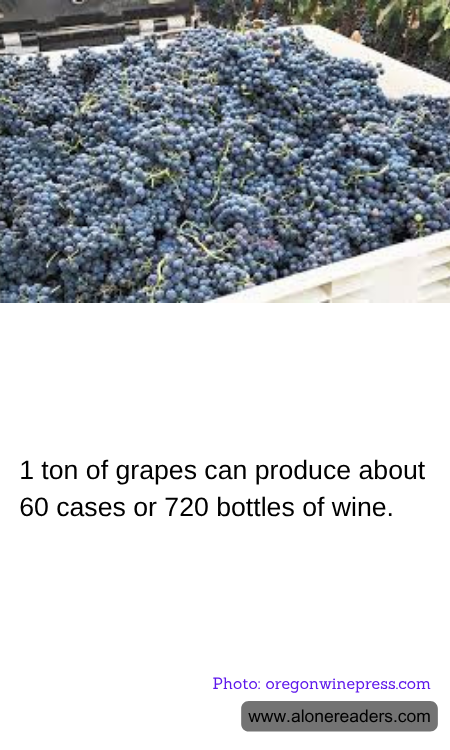
The transformation of grapes into wine is a fascinating journey that begins in the vineyard and ends in the bottle. A single ton of grapes, a seemingly modest amount, holds the potential to produce approximately 60 cases or 720 bottles of wine. This remarkable conversion is a testament to the intricate processes and skilled craftsmanship involved in winemaking.
Grapes are the heart and soul of wine, and their journey from vine to bottle is both an art and a science. The process begins with the careful selection and harvesting of grapes at their peak ripeness. Winemakers must consider factors such as sugar content, acidity, and flavor profile to determine the perfect time for harvest. Once picked, the grapes are swiftly transported to the winery to preserve their freshness and quality.
At the winery, the grapes undergo a series of transformations. They are first crushed to release their juices, a process that marks the beginning of fermentation. During fermentation, natural or added yeasts convert the sugars in the grape juice into alcohol, creating the wine's distinct character. This stage is crucial, as it determines the wine's flavor, aroma, and alcohol content. The duration and conditions of fermentation can vary, depending on the type of wine being produced.
After fermentation, the wine is clarified and aged. Clarification involves removing any solids or impurities, ensuring a clear and pure final product. Aging can take place in stainless steel tanks or oak barrels, each imparting unique qualities to the wine. Oak barrels, for instance, can add complexity and depth, with notes of vanilla or spice. The aging process allows the wine to develop its full potential, enhancing its flavors and aromas.
Once the wine has reached its desired maturity, it is bottled and prepared for distribution. The bottling process is meticulous, ensuring that each bottle is filled, corked, and labeled with precision. This final step is crucial, as it preserves the wine's quality and prepares it for the journey to consumers around the world.
The ability to produce 720 bottles of wine from just one ton of grapes highlights the efficiency and expertise of winemakers. It also underscores the importance of sustainable practices in viticulture and winemaking. By maximizing the yield from each ton of grapes, winemakers can reduce waste and promote environmental stewardship.
For wine enthusiasts and casual consumers alike, understanding the journey from grape to bottle enhances the appreciation of each sip. It is a reminder of the dedication and passion that goes into every bottle, transforming a simple fruit into a complex and delightful beverage. Whether enjoyed at a celebratory gathering or a quiet evening at home, each bottle of wine carries the legacy of its origins, a testament to the art of winemaking.