More About This Card
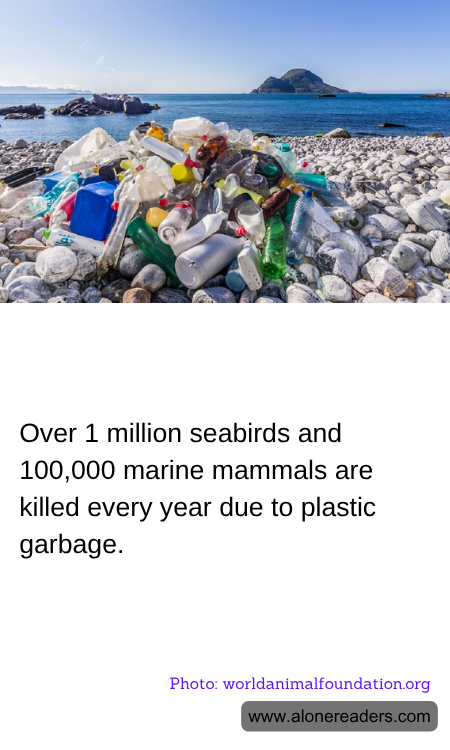
Every year, the world's oceans bear witness to a tragic and preventable loss of life. Over one million seabirds and 100,000 marine mammals fall victim to the pervasive presence of plastic garbage in marine environments. This staggering statistic highlights a growing environmental crisis that affects not only wildlife but also the health of our planet and future generations.
Plastic pollution in the oceans is a result of human activities, with millions of tons of plastic waste entering marine ecosystems annually. This waste comes from various sources, including improper disposal of plastic products, industrial discharge, and runoff from landfills. Once in the ocean, plastic debris can travel vast distances, carried by currents and winds, spreading its harmful effects far and wide.
Seabirds, such as albatrosses and gulls, often mistake plastic debris for food. They ingest plastic items, which can lead to fatal blockages in their digestive systems or cause them to feel full, leading to starvation. The bright colors and buoyancy of plastic make it particularly deceptive to these birds, who rely on visual cues to hunt for food. The ingestion of plastic not only affects individual birds but also has broader implications for entire populations, as it can reduce reproductive success and increase mortality rates.
Marine mammals, including dolphins, seals, and whales, are also severely impacted by plastic pollution. These creatures can become entangled in discarded fishing nets and other plastic debris, leading to injury, drowning, or suffocation. Additionally, like seabirds, marine mammals may ingest plastic, mistaking it for prey. The ingestion of plastic can cause internal injuries, blockages, and exposure to toxic substances, all of which can be fatal.
The impact of plastic pollution extends beyond the immediate harm to wildlife. As plastics break down into smaller particles known as microplastics, they are ingested by a wide range of marine organisms, entering the food chain and potentially affecting human health. The presence of microplastics in seafood raises concerns about the long-term implications for human consumption and the overall health of marine ecosystems.
Addressing this crisis requires a collective effort from individuals, communities, industries, and governments worldwide. Reducing plastic waste through recycling, reusing, and opting for sustainable alternatives can significantly decrease the amount of plastic entering our oceans. Public awareness campaigns and educational initiatives play a crucial role in changing consumer behavior and encouraging responsible waste management.
Furthermore, international cooperation is essential to tackle this global issue. Policies that regulate plastic production and promote environmentally friendly practices can help mitigate the impact of plastic pollution. By working together, we can protect marine life and preserve the health of our oceans for future generations.
In conclusion, the loss of over one million seabirds and 100,000 marine mammals each year due to plastic garbage is a stark reminder of the urgent need to address plastic pollution. By taking action now, we can safeguard the rich biodiversity of our oceans and ensure a healthier planet for all living beings.