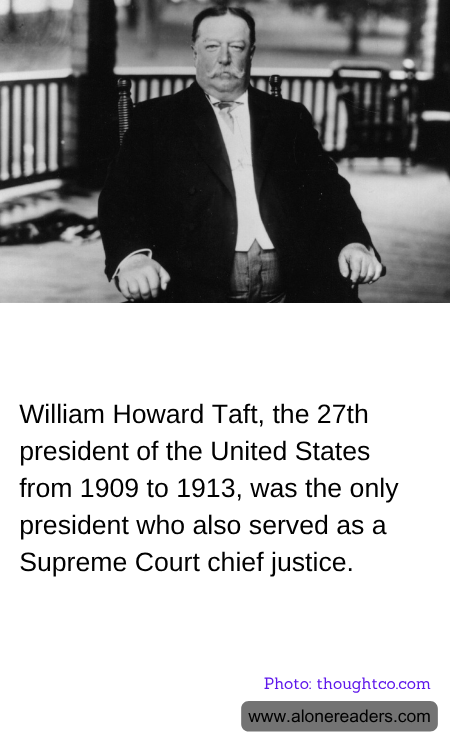
More About This Card
William Howard Taft holds a unique place in American history as the only individual to have served both as President of the United States and as Chief Justice of the Supreme Court. Born on September 15, 1857, in Cincinnati, Ohio, Taft's career was marked by a profound dedication to public service and the law. His journey through the highest echelons of American government reflects a blend of political acumen and judicial expertise that remains unparalleled.
Taft's presidency, from 1909 to 1913, was characterized by his commitment to progressive reforms and trust-busting, following in the footsteps of his predecessor, Theodore Roosevelt. Despite his efforts to continue Roosevelt's policies, Taft's administration faced challenges, including divisions within the Republican Party and criticism for his perceived conservatism. His presidency saw the passage of significant legislation, such as the Mann-Elkins Act, which expanded the regulatory powers of the Interstate Commerce Commission, and the establishment of the United States Postal Savings System. However, his tenure was also marked by political strife, culminating in a split with Roosevelt, who ran against him in the 1912 election, leading to Taft's defeat.
After leaving the presidency, Taft's passion for the law led him back to academia and public service. He taught law at Yale University and remained active in legal circles. His lifelong ambition to serve on the Supreme Court was realized in 1921 when President Warren G. Harding appointed him as Chief Justice. Taft's tenure as Chief Justice, from 1921 to 1930, was marked by his efforts to modernize the federal judiciary and improve the efficiency of the Supreme Court. He advocated for the Judiciary Act of 1925, which gave the Supreme Court greater control over its docket, allowing it to focus on cases of national significance.
Taft's dual legacy as both President and Chief Justice underscores his profound impact on American governance and law. His unique career trajectory reflects a deep commitment to public service and a belief in the importance of the judiciary in maintaining the balance of power within the federal government. Taft's contributions to the legal system, particularly his efforts to streamline the judiciary, have had a lasting influence on the functioning of the Supreme Court.
William Howard Taft's life and career offer a compelling narrative of dedication, resilience, and the pursuit of justice. His ability to navigate the complexities of both the executive and judicial branches of government highlights his exceptional understanding of American law and governance. As the only person to have held the highest offices in both branches, Taft's legacy continues to inspire those who seek to serve their country with integrity and distinction.