More About This Card
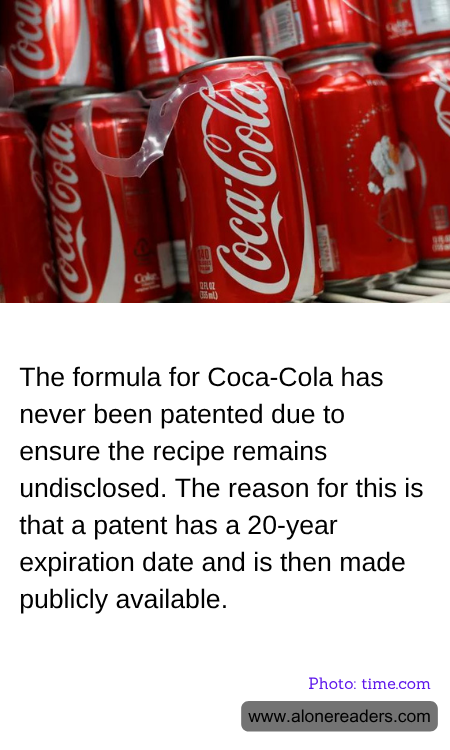
In the world of iconic brands, few names resonate as universally as Coca-Cola. The beverage, with its distinctive taste and global presence, has been a staple in households for over a century. Yet, despite its widespread popularity, the formula for Coca-Cola remains one of the most closely guarded secrets in the business world. The reason behind this secrecy is not just tradition but a strategic decision to avoid patenting the formula, ensuring it remains undisclosed indefinitely.
The decision not to patent the Coca-Cola formula is rooted in the nature of patent law itself. A patent provides legal protection for an invention, granting the patent holder exclusive rights to the use and commercialization of the invention. However, this protection comes with a significant caveat: patents have a limited lifespan, typically 20 years. Once this period expires, the details of the patent become public knowledge, allowing anyone to access and potentially replicate the invention. For Coca-Cola, revealing the formula, even after two decades, could mean losing the unique edge that has set it apart from competitors.
By choosing not to patent the formula, Coca-Cola has opted for trade secret protection instead. Trade secrets are a form of intellectual property that, unlike patents, do not have an expiration date. As long as the information remains confidential and reasonable efforts are made to keep it secret, the protection can last indefinitely. This approach has allowed Coca-Cola to maintain its competitive advantage without the risk of the formula becoming public knowledge.
The mystique surrounding the Coca-Cola formula has only added to the brand's allure. Over the years, countless stories and myths have emerged about the lengths to which the company goes to protect its secret. From the formula being locked away in a high-security vault to only a handful of employees knowing the complete recipe, these tales have become part of the brand's legend. This aura of mystery not only intrigues consumers but also reinforces the brand's identity as a unique and irreplaceable product.
While some might argue that the lack of a patent could expose the company to risks, Coca-Cola's strategy has proven effective. The brand has successfully maintained its market dominance and continues to be a leader in the beverage industry. The decision to keep the formula a trade secret rather than patenting it has allowed Coca-Cola to preserve its legacy and ensure its recipe remains one of the most enduring secrets in the business world.
In conclusion, Coca-Cola's choice to forgo patenting its formula is a testament to the power of trade secrets in safeguarding a brand's unique identity. By prioritizing confidentiality over temporary legal protection, Coca-Cola has managed to keep its recipe undisclosed, ensuring that the drink remains as enigmatic and beloved as ever. This strategic decision highlights the importance of understanding the nuances of intellectual property and choosing the right form of protection to suit a company's long-term goals.