More About This Card
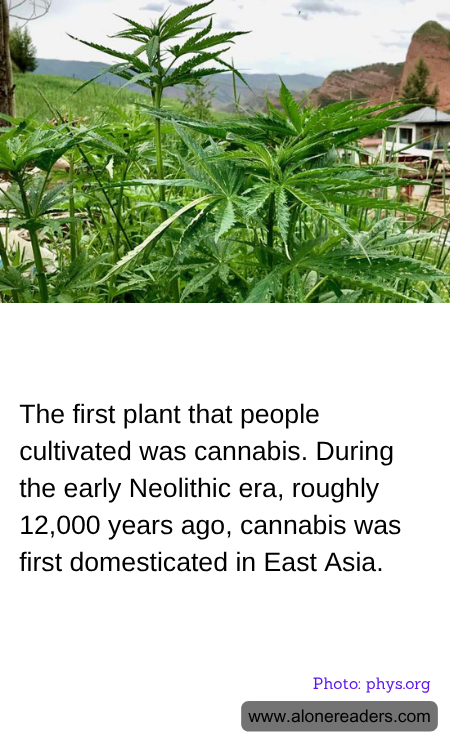
Cannabis, a plant that has sparked both fascination and controversy in modern times, holds a significant place in human history as one of the first plants to be cultivated by our ancestors. Approximately 12,000 years ago, during the early Neolithic era, people in East Asia began the domestication of cannabis, marking the beginning of a long and complex relationship between humans and this versatile plant.
The domestication of cannabis in East Asia was likely driven by the plant's myriad uses, which were as diverse then as they are today. Early humans discovered that cannabis could be utilized for its strong fibers, nutritious seeds, and psychoactive properties. The fibers of the cannabis plant, known as hemp, were particularly valued for their strength and durability, making them ideal for crafting ropes, textiles, and other essential tools and materials. This versatility made cannabis an indispensable resource for early agricultural societies.
In addition to its practical applications, cannabis seeds provided a valuable source of nutrition. Rich in protein, essential fatty acids, and other nutrients, these seeds were a vital component of the diet for many early communities. The plant's ability to thrive in a variety of climates and soil conditions further contributed to its widespread cultivation and use across different regions.
The psychoactive properties of cannabis also played a role in its early domestication. Ancient cultures may have used the plant for spiritual or medicinal purposes, recognizing its potential to alter consciousness and provide relief from various ailments. This aspect of cannabis use has persisted through the ages, with many societies incorporating the plant into their traditional healing practices and rituals.
As cannabis spread from its origins in East Asia, it became an integral part of various cultures around the world. Its fibers were used to produce paper in ancient China, while in India, it was revered as a sacred plant with spiritual significance. The plant's journey continued across continents, influencing societies and economies in myriad ways.
Today, the legacy of cannabis as one of the first domesticated plants is evident in its continued global presence and the ongoing discussions surrounding its use. As modern science continues to explore the potential benefits and risks associated with cannabis, it is important to remember its historical significance and the role it has played in shaping human civilization.
In understanding the ancient roots of cannabis cultivation, we gain insight into the ingenuity and adaptability of our ancestors. Their ability to recognize and harness the potential of this remarkable plant laid the foundation for its enduring impact on human society. As we navigate the complexities of cannabis in the modern era, we are reminded of its deep historical roots and the enduring connection between humans and the natural world.