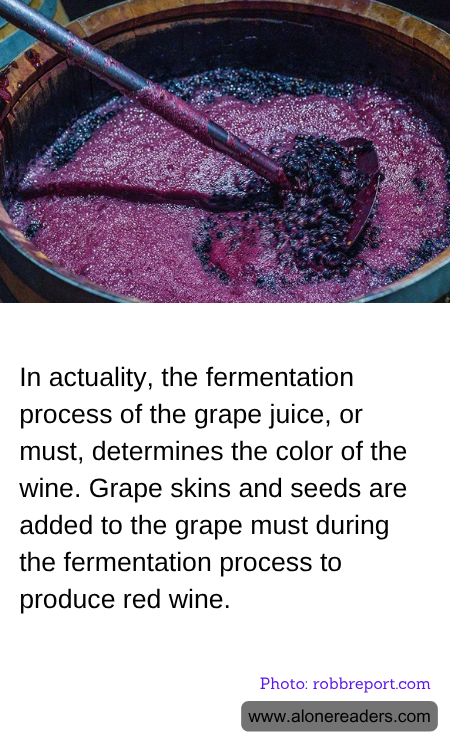
The transformation of grape juice into wine is a fascinating journey that hinges on the art and science of fermentation. At the heart of this process lies the grape must, a mixture of freshly crushed grape juice, skins, seeds, and sometimes stems. While many might assume that the color of wine is determined solely by the type of grape used, it is, in fact, the fermentation process that plays a pivotal role in defining whether a wine will be red, white, or rosé.
When it comes to red wine, the secret lies in the inclusion of grape skins and seeds during fermentation. These components are rich in pigments known as anthocyanins, which are responsible for the deep, rich hues associated with red wines. As the grape must ferments, the skins and seeds remain in contact with the juice, allowing these pigments to leach into the liquid. This contact not only imparts color but also contributes to the wine's flavor profile and tannin structure, which are crucial for the complexity and aging potential of red wines.
The duration of skin contact is a critical factor in determining the intensity of the wine's color. For instance, a longer maceration period, where the skins and seeds are left in the must, results in a darker, more robust wine. Conversely, a shorter maceration can produce lighter, more delicate red wines. Winemakers carefully control this process to achieve the desired balance of color, flavor, and tannins, tailoring the wine to suit different palates and styles.
In contrast, white wines are typically made by fermenting grape juice without the skins and seeds. This absence of skin contact means that the anthocyanins are not extracted, resulting in a wine that is clear and light in color. Interestingly, many white wines are made from red or black grapes, but the lack of skin contact during fermentation prevents the transfer of color.
Rosé wines, on the other hand, are crafted through a brief period of skin contact, just long enough to impart a blush of color without the full intensity of a red wine. This delicate balance allows rosé wines to capture the freshness and vibrancy of red wines while maintaining the crispness and lightness of whites.
The fermentation process is a testament to the intricate dance between nature and human intervention. By understanding and manipulating the role of grape skins and seeds, winemakers can create a diverse array of wines, each with its own unique character and appeal. Whether it's the boldness of a full-bodied red, the elegance of a crisp white, or the playful charm of a rosé, the journey from grape to glass is a celebration of the artistry and science that define the world of wine.
