More About This Card
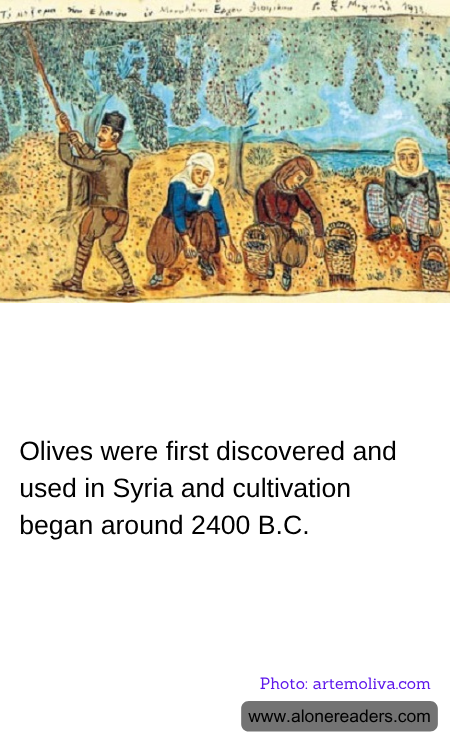
The olive tree, a symbol of peace and prosperity, has a rich history that traces back to ancient Syria, where it was first discovered and cultivated around 2400 B.C. This remarkable plant has played a significant role in the development of civilizations, influencing cultures, economies, and diets across the Mediterranean and beyond.
In ancient Syria, the olive tree was more than just a source of food; it was a cornerstone of society. The cultivation of olives began in this region due to its favorable climate and fertile soil, which provided the ideal conditions for olive trees to thrive. The people of ancient Syria quickly recognized the value of the olive, not only for its fruit but also for the oil it produced. Olive oil became a staple in their diet and a crucial component of their economy, used for cooking, lighting, and even as a base for perfumes and medicines.
The spread of olive cultivation from Syria to other parts of the Mediterranean was facilitated by trade and conquest. As neighboring regions discovered the benefits of olives and olive oil, they began to adopt the cultivation techniques developed by the Syrians. This exchange of knowledge and resources helped to establish the olive tree as a vital agricultural product throughout the ancient world. The Greeks and Romans, in particular, embraced olive cultivation, integrating it into their own cultures and economies.
The significance of olives in ancient societies extended beyond their practical uses. They held symbolic and religious importance, often associated with deities and used in rituals and ceremonies. In Greek mythology, the olive tree was a gift from the goddess Athena to the city of Athens, symbolizing wisdom and prosperity. Similarly, in the Bible, the olive branch is a symbol of peace, famously appearing in the story of Noah's Ark.
Today, the legacy of the olive tree continues to thrive. Modern cultivation techniques have improved yields and quality, but the fundamental practices developed thousands of years ago in Syria remain largely unchanged. The Mediterranean region still produces the majority of the world's olives, with countries like Spain, Italy, and Greece leading the way. However, the global appreciation for olives and olive oil has expanded far beyond their historical origins, with these products now enjoyed and valued worldwide.
The story of the olive tree is a testament to the enduring impact of ancient innovations. From its humble beginnings in Syria, the olive has become a symbol of cultural heritage and culinary excellence. Its journey through history highlights the interconnectedness of human societies and the shared appreciation for nature's bounty. As we continue to enjoy the fruits of this ancient tree, we are reminded of the timeless connection between past and present, and the enduring legacy of those who first cultivated the olive thousands of years ago.